
Costco Motor Oil Purchase Limits: Check Viscosity Before Buying
Smartor 편집팀
September 14, 2026

Reports of higher synthetic motor-oil prices and purchase limits at a major retailer have left drivers wondering whether they should buy their next oil change now. Motor oil, however, is not a product to substitute by price alone or stockpile without a plan. Two bottles carrying the same 5W-30 viscosity can differ in automaker approvals, performance specifications, gasoline or diesel application, and suitability for a particular engine. The safest response is to identify the exact specification and quantity in your owner’s manual, then verify live selling terms immediately before checkout.
Automotive publication The Drive reported on September 10, 2026, that a 10-quart Kirkland Signature full-synthetic package at Costco was listed at $58 with a limit of two per customer per week. It also reported a $44 price and a limit of five per member for a six-quart Mobil 1 package. Those figures describe a particular point in time and can change by location, membership status, viscosity, package, and inventory. Costco’s official synthetic-oil page tells shoppers to consult the owner’s manual for the correct viscosity and required specifications.
This article provides general consumer and vehicle-maintenance information. It does not endorse a retailer, brand, oil, or service method. Your automaker’s manual and warranty terms control. If you see an oil-pressure warning, a leak, overheating, or hear metallic engine noise, prioritize a safe stop and qualified diagnosis over shopping.
The immediate issue is a report of higher prices and quantity limits on synthetic motor oil sold through Costco. At the time The Drive checked, a 10-quart Kirkland Signature full-synthetic package was listed at $58, with a limit of two per customer per week. The report also cited a six-quart Mobil 1 package at $44 and a separate five-per-member limit. Retail price and inventory information is dynamic. Online and warehouse prices may differ, and shipping and tax can change the final total.
The report discusses international oil and refining conditions as possible context for tighter lubricant supply. For a shopper, the most verifiable facts are narrower: Is the required viscosity in stock? Does a limit appear in the cart or warehouse? Does the bottle meet the exact specifications in the vehicle manual? Checking those facts is more useful than treating a market explanation as a reason to hoard.
Costco’s official synthetic-oil guide describes general benefits of full-synthetic products but still directs drivers to the vehicle’s requirements and manufacturer recommendations. It specifically tells shoppers to use the owner’s manual to identify correct viscosity and required specifications. That is the controlling principle. A low per-quart price is not a good value if the oil does not meet the vehicle requirement or will sit in poor storage conditions for years.
Drivers who change their own oil feel the impact directly when a preferred viscosity is unavailable or a bulk package becomes more expensive. The real DIY cost also includes a filter, drain-plug washer, tools, used-oil handling, and time. A bulk package can leave a significant remainder if it does not align with the engine’s capacity. Confirm quarts required before comparing unit price.
Drivers who use a repair shop may not encounter a retail limit directly, but shop parts pricing or brand availability can change. When making an appointment, ask for the viscosity, manufacturer specification, filter, total estimate, and added fees in writing—not merely whether the service uses “synthetic.” Afterward, verify that the receipt records date, mileage, oil grade, and product information.
Turbocharged engines, hybrids, diesels, performance vehicles, and new vehicles under warranty deserve extra care. Engine and emissions-system designs can require different standards. “Full synthetic” is a broad description, not proof of fit. Compare every specification in the manual, including an automaker approval or diesel category when listed.
Families and small businesses maintaining several vehicles may be tempted to use one oil in all of them. Even when two vehicles list the same viscosity, they may require different approvals and capacities. Keep one row for each vehicle with year, engine, viscosity, required standards, filter part number, capacity, and next service date. That simple inventory reduces accidental substitution and duplicate purchases.
Model name alone may be insufficient because one model can have multiple engines and drivetrains. Use the registration, VIN, owner’s manual, and engine-compartment labels to confirm the engine. Retailer fitment tools and search results are useful starting points but can contain errors. Treat the official automaker manual for the exact model year as the final source.
In the engine-oil section, record the SAE viscosity—such as 0W-20—and every API, ILSAC, ACEA, or automaker approval listed. A viscosity code describes flow characteristics under temperature conditions; it is not a quality ranking. Do not improvise because two numbers look close. Some manuals permit a range based on climate or operating conditions, but that choice must remain inside the manufacturer’s stated range.
Do not assume every passenger vehicle takes five quarts. Capacity changes by engine and by whether the filter is replaced. Find the official capacity, then follow the manufacturer’s filling and dipstick or electronic-level procedure. Dumping the stated capacity in at once can risk overfilling because service procedures vary. Both too little and too much oil can cause serious problems.
Divide total price by total quarts, then include shipping, tax, membership cost, coupons, and whether a filter is bundled. If a 10-quart package is more than one service, consider when the remainder will actually be used. Driving across town for a cheaper case can erase the saving through fuel and time.
The American Petroleum Institute maintains the Engine Oil Licensing and Certification System directory. If a package displays an API certification mark or service category, search the official directory by brand and product. API licensing alone does not prove that every automaker-specific approval is present. If the manual requires a separate approval number, verify that claim in the oil maker’s official product data.
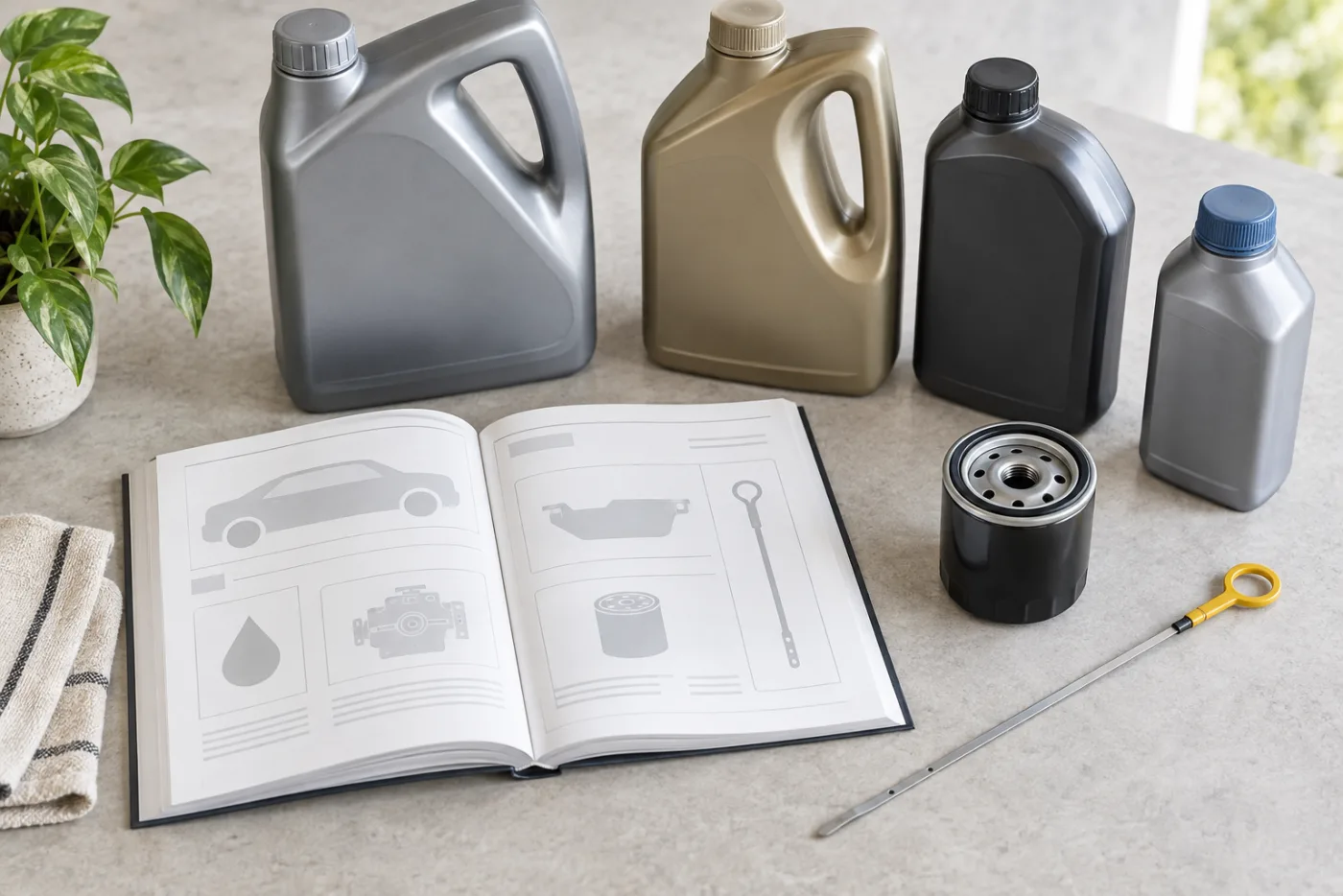
If the next change is due soon and the correct oil is available at a reasonable price, securing one service quantity may be practical. If the service is months away or you expect to sell the vehicle, multiple cases have less value. A quantity limit does not mean oil will disappear permanently, and other properly licensed products may meet the same vehicle specification.
Keep unopened oil tightly closed in its original container, away from direct sunlight, water, dust, and extreme temperature swings. Choose a stable place inaccessible to children and pets. Do not transfer oil to a beverage or unlabeled container, which creates contamination and poisoning risks. Date an opened container and do not mix leftover products casually.
Do not delay a change solely because prices rose, and do not shorten the interval dramatically because supply feels uncertain. Follow the automaker’s mileage and time limits, oil-life system, and severe-service schedule. Repeated short trips, long idling, towing, dusty conditions, and temperature extremes may invoke different guidance. Reset a dashboard monitor only after the service is completed.
If you do not have a stable level work area, approved lifting points, stands, and the correct tools, use a qualified shop. Never work under a vehicle supported only by a jack. Hot oil can burn, and used oil must not go into a drain, soil, or household trash. Identify a local used-oil collection site before starting.
Keep the receipt, product photo, mileage, date, filter part number, viscosity, standards, and quantity in one file. This record helps calculate the next purchase, reveal unusual consumption or leaks, support warranty documentation, and explain maintenance history to a future buyer. Photograph thermal-paper receipts before they fade.
When saving a price screenshot, include the date, viscosity, package quantity, price, and limit language. An old social-media image or a receipt from another region does not establish current inventory at your location. If the exact product is unavailable, use the manual’s full specification to ask another retailer, the automaker, or a repair shop about a compliant alternative.
That cannot be assumed. The Drive reported different limits for different products, and retail terms can change by time and location. Select the exact viscosity and package online and verify the current cap with the warehouse.
First calculate your next service date, capacity, storage, and actual consumption. Buying one correct service quantity for an imminent change differs from tying up cash and space in years of inventory. Future price direction is not certain.
No. Products can differ in API or ILSAC category, automaker approval, and gasoline or diesel use even when viscosity matches. Compare every requirement in the manual with the bottle and official data sheet.
Do not extend it based on that label alone. Follow the automaker’s mileage, time, oil-life monitor, and severe-service rules. Keep service records while the vehicle is under warranty.
Do not make that substitution on your own. Some manuals allow alternatives for particular temperatures or operating conditions, but there is no universal rule. Check official vehicle guidance or ask the automaker or a qualified technician.
Check the oil manufacturer’s storage instructions. Basic precautions include keeping it sealed in the original container, dating it, and avoiding moisture, contamination, sunlight, and temperature extremes. Ask the manufacturer before using oil that looks contaminated or comes from a damaged container.
An oil-pressure warning can be different from a maintenance reminder, and continued driving may increase engine damage. Stop safely and follow the warning procedure in the owner’s manual. Use roadside assistance or professional help if needed.
A purchase limit is a reason to verify more details, not a command to rush. Knowing the exact specification, service quantity, and next change date protects you from both overbuying and an unsafe substitution. Recheck retail terms at checkout and use the official vehicle manual to settle compatibility.
브라우저 메뉴에서 앱 설치 또는 홈 화면에 추가를 선택해 주세요.
[…] Smartor 편집팀 September 14, 2026 Read this guide in English → […]