Kauai Travel After Hurricane Lowell: Roads, Lodging, and Refunds
Smartor 편집팀
September 20, 2026

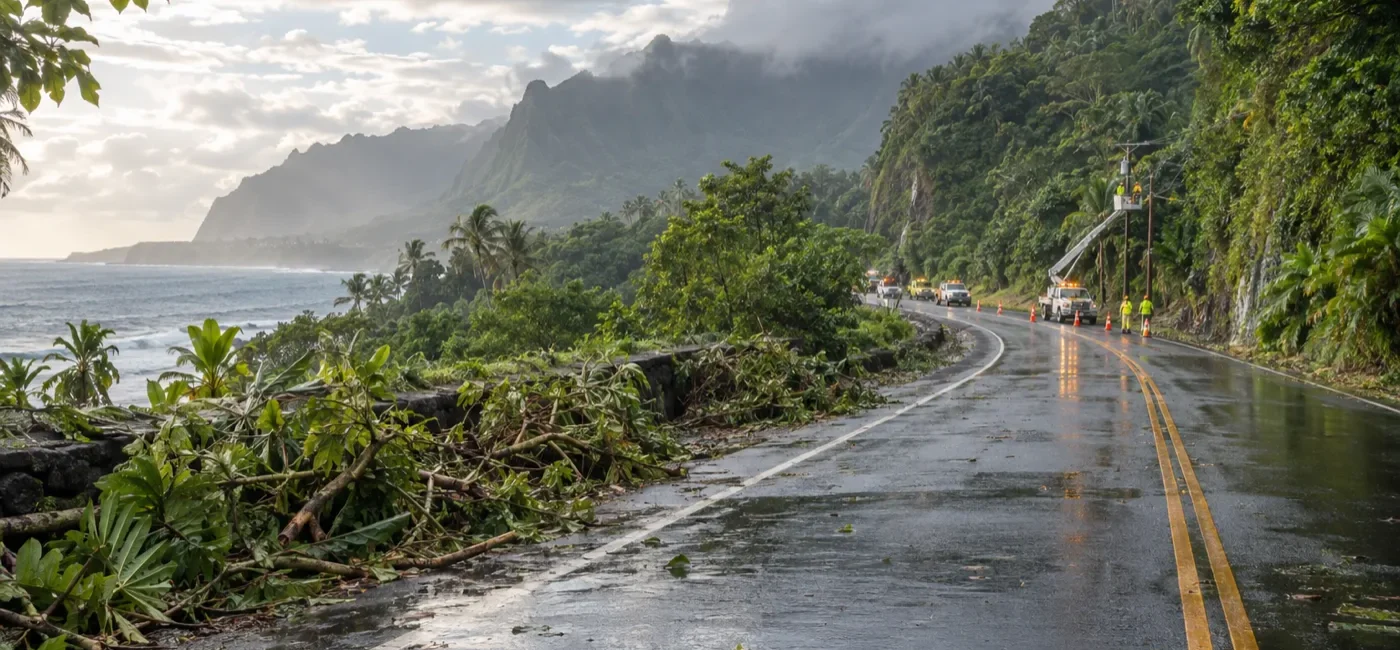
If you have a Kauaʻi trip coming up after Hurricane Lowell, avoid treating the entire island as either “open” or “closed.” Recovery conditions vary by neighborhood, highway segment, lodging property, and attraction. The Kauaʻi Emergency Management Agency is still coordinating recovery assistance, while the Hawaiʻi Department of Transportation lists storm-cleanup lane closures for September 19–25. One especially important restriction affects Wainiha Bridges 2 and 3 on Kūhiō Highway (Route 560): the hurricane caused scour damage, the segment is limited to local access around the clock, and a five-ton vehicle limit remains in place.
The best response is neither an immediate panic cancellation nor blind reliance on one reassuring photo from a host. Check your flight, lodging, rental car, driving route, and booked activities separately. If you need to cancel or change plans, identify whether the provider cannot deliver the service or whether you are choosing not to travel. That distinction can determine whether an airline refund, lodging refund, travel credit, or insurance claim is available.
This article provides general information for U.S. travelers and is not legal advice or a guarantee of a refund for any reservation. Road and facility conditions can change quickly, so recheck official sources and contact each provider shortly before departure.
Hurricane Lowell left downed trees, debris, infrastructure damage, and utility disruptions across parts of Kauaʻi. The island is now in a recovery phase that looks different from place to place. The official Kauaʻi Emergency Management Agency page lists a free 211 referral line for help with trees, debris, and muck-out work. Assistance depends on volunteer capacity and is not guaranteed. The county also makes clear that this cleanup line is not for food, clothing, insurance, FEMA registration, or other social services. Life-threatening emergencies still go to 911; the posted nonemergency police number is 808-241-1711, and the road-conditions line is 808-241-1725.
Transportation conditions should also be understood as a set of targeted restrictions rather than a single islandwide closure. HDOT’s notice for September 19–25 says storm cleanup may cause single-lane closures on parts of Kaumualiʻi Highway (Route 50), including the Kīpū-to-Kekaha area, and on Kūhiō Highway (Route 56), including the Keālia-to-Princeville area. Work schedules can change with weather and field conditions. At Wainiha Bridges 2 and 3, scour damage led to a local-access-only restriction between Ala Eke Road and Ananalu Road. The five-ton limit does not mean every light passenger vehicle may enter; the local-access restriction still controls who may use that segment.
A lodging property or business in one area may be fully functional while a highway, park, trail, or tour elsewhere remains affected. The reverse is also true: severe footage from one location does not prove every hotel or vacation rental on the island is unusable. For a useful decision, connect the exact lodging address with the route from Līhuʻe Airport and the operating status of every high-priority activity on your itinerary.
Travelers flying into Līhuʻe within the next several days should perform an extra check, particularly those planning to stay or spend time along the North Shore toward Hanalei, Wainiha, or Hāʻena. A host’s statement that the property is open is not enough if the normal route is restricted to residents. Ask whether ordinary visitors may legally travel from the airport to the property, whether a detour is required, and whether parking, water, electricity, internet, and check-in services are currently available.
Rental-car customers may encounter longer drives around cleanup work and temporary controls. Wet pavement, debris, and changing signage can create additional hazards after dark. Confirm the pickup location and desk hours, and request late-arrival instructions if a flight delay could put you at the counter after closing. A larger SUV does not make it appropriate to enter a restricted road or cross standing water.
Vacation-rental guests may face different terms than hotel guests. If a home is undamaged and has utilities and legal access, canceling because news coverage feels alarming may not produce a full refund. If the home is uninhabitable or a mandatory government restriction prevents the stay, the booking platform’s disruptive-event policy or the host’s obligations may become relevant. Specific dates, the precise reservation location, unavailable essential services, and official restrictions are more persuasive than broad statements about conditions elsewhere on the island.
Families traveling with children, older adults, people with disabilities, or anyone requiring regular medical care should use a more conservative standard. “The property is open” does not confirm elevator service, air conditioning, accessible transportation, backup power for medical equipment, refrigerated medication storage, dialysis access, or oxygen supply. Verify essential services directly and postpone or reroute the trip if there is no dependable backup.
The U.S. Department of Transportation says a passenger is entitled to a refund when an airline cancels or significantly changes a flight to, from, or within the United States and the passenger declines the changed flight or alternative transportation. A voucher is not the only possible outcome. The airline must disclose the refund right, and when a traveler rejects or does not accept the replacement and does not fly, the refund is generally due to the original form of payment.
DOT examples of a significant change include arriving three hours or more late on a domestic itinerary, a change in origin or destination airport, additional connections, or an involuntary downgrade. The exact facts matter, so do not stop at “weather means no refund.” If weather caused the airline to cancel the flight, and you decline alternative transportation, the statutory refund framework can still apply even though weather-related expenses or compensation may be treated differently.
If the flight operates as scheduled and you decide not to travel because you are uncomfortable with destination conditions, a nonrefundable ticket usually is not automatically refundable under DOT rules. Check for an airline travel waiver, a fee-free date change, fare differences, credit-card travel protections, and insurance. Before accepting a travel credit, ask for its expiration date, transferability, blackout rules, and any requirement to complete travel rather than merely book by the deadline.
Airbnb’s Major Disruptive Events Policy applies in limited situations where a large-scale event prevents or legally prohibits a reservation from being completed. Covered circumstances can include mandatory government travel restrictions, large-scale outages of essential utilities, and unforeseeable natural disasters, but Airbnb defines the affected area and timeframe. A nonbinding advisory or a transportation problem that does not directly affect the reservation location generally is not enough by itself.
Instead of relying on the broad statement that a hurricane hit Kauaʻi, gather location- and date-specific evidence: a mandatory restriction covering the reservation address, a closed access road, confirmation of prolonged water or power loss, a host message saying check-in is impossible, or a platform notice that covers your dates. If the host says the property is functional, ask for current, dated confirmation of utilities, access, and check-in—not just old listing photos.
When the property is usable but you prefer not to go, the cancellation terms accepted at booking may control. A practical negotiation can include a date change, partial refund, waived cleaning fee, or future-stay credit. Keep all communication and reservation changes inside the booking platform. Avoid off-platform payment arrangements that remove the transaction from the platform’s record.
Treat a credit-card dispute as a last step rather than the first message to a host. Use the provider’s and platform’s formal procedures, and document that a promised service was not provided. A chargeback based only on the fact that you did not travel may be challenged with evidence that the property remained available. Protect your card issuer’s filing deadline, but describe the facts accurately.
No single page covers every part of a Kauaʻi trip. Cross-check these sources to avoid relying on an old social-media post or a video that does not identify its location:
Adjust the itinerary so it does not interfere with recovery work. Respect barriers and local-access signs, and do not stop to photograph debris or damaged property. Field personnel and posted signs override a navigation app. Never drive into moving water or standing water of unknown depth. A beach, trail, or park may remain closed for inspection even when the road leading to it is open.
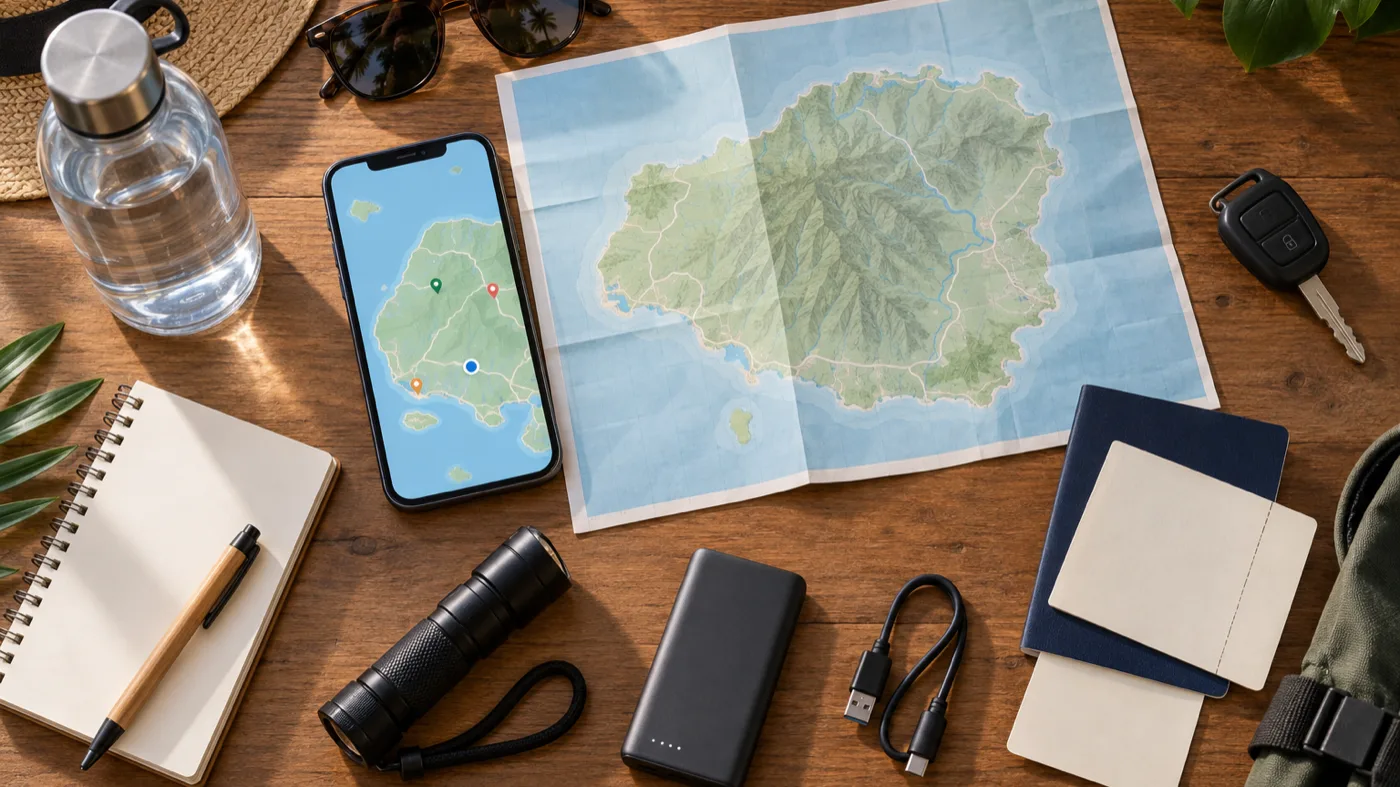
Carry drinking water, simple food, charged power banks, a flashlight, prescription medication, and an offline map. These are basic precautions for temporary power, communication, or transportation changes during recovery—not a prediction that another emergency will occur. Buy only what you need and avoid depleting supplies that residents may rely on.
Leave additional travel time. A lane closure or debris-removal operation may last longer than posted, and a tour meeting point can change. A schedule focused on one part of the island is more resilient than a tightly timed day that requires crossing between the North Shore and West Side. Keep one nearby, cancelable backup activity for each day.
No single official status applies to every part of the island. Recovery and access differ by location. Check the flight, lodging, route, and attractions separately. A local-access restriction near Wainiha does not by itself mean the entire island is closed.
No. If the property is usable and no mandatory restriction or platform disaster policy applies, the reservation’s cancellation terms may control. Ask about a date change or partial refund and review travel-insurance coverage.
If the airline cancels or significantly changes the flight and you decline the alternative, DOT’s refund rules may apply regardless of whether weather caused the cancellation. Confirm the option to return funds to the original payment method before accepting a voucher.
HDOT’s current notice marks the segment as local access only, 24 hours a day. A rental car weighing less than five tons is not automatically authorized. Follow the latest HDOT notice and field controls.
No. Official notices and posted controls take priority. Temporary restrictions and resident-only access can appear in navigation apps late or without the necessary context. Confirm visitor access with your lodging or tour operator as well.
Requirements vary, but insurers commonly request the policy, original itinerary, receipts, airline or lodging cancellation notices, official restrictions, unreimbursed amounts, and receipts for added expenses. Call the insurer’s assistance line before major replacement purchases in case preauthorization is required.
브라우저 메뉴에서 앱 설치 또는 홈 화면에 추가를 선택해 주세요.