NASA Revises 2028 Moon Lander Plans, Details 2027 Docking Tests
Smartor 편집팀
October 26, 2026

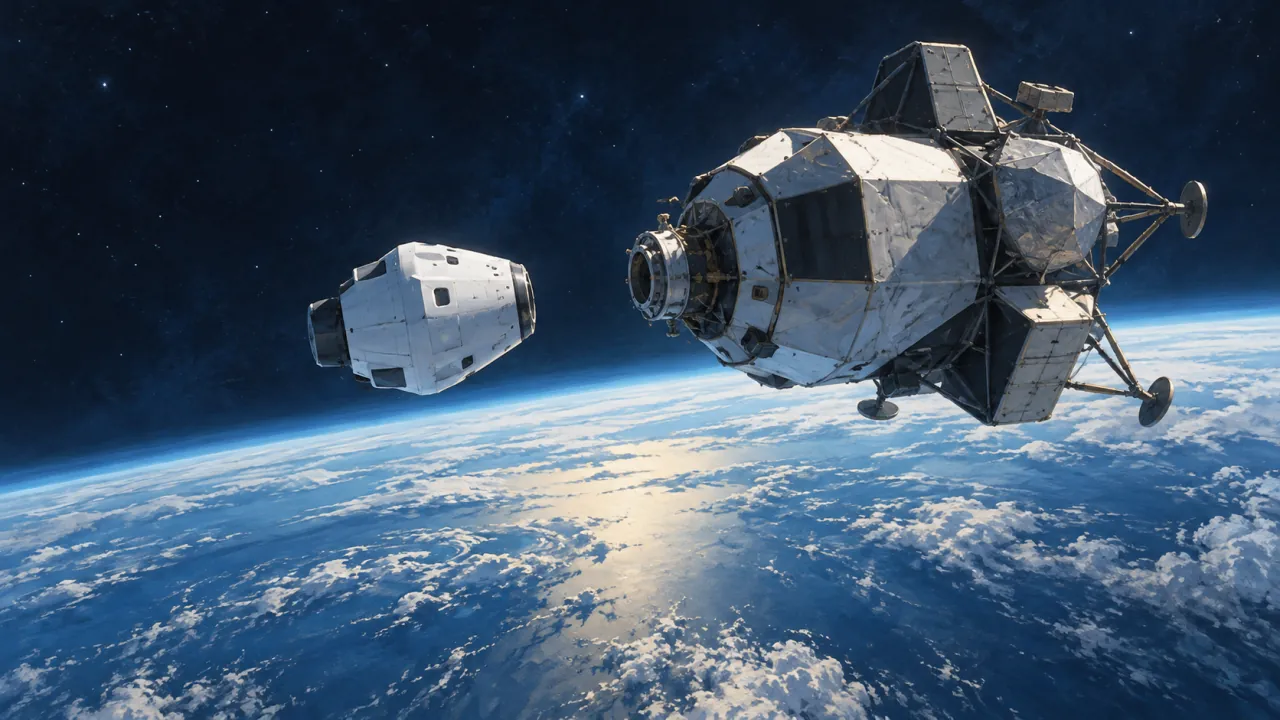
Featured image: AI-generated illustration, not a spacecraft photograph or a finalized engineering design.
NASA outlined changes to SpaceX and Blue Origin’s lunar lander designs and operating plans in an October 23 announcement, as the agency targets a crewed Moon landing in 2028. Before that, Artemis III is planned for 2027 to test rendezvous and docking between NASA’s Orion spacecraft and test vehicles from both companies in low Earth orbit.
The planned 14-day Artemis III mission will carry four astronauts. Orion will first dock with a Blue Moon Mark 2 test vehicle, where astronauts will spend approximately two days evaluating the cabin environment, controls and life-support functions. Orion will later dock with a Starship test vehicle for up to two hours. Astronauts will not enter Starship during that demonstration.
NASA also changed where Orion and the landers will meet during future lunar landing missions. Instead of the previously planned near-rectilinear halo orbit around the Moon, each company will use an approach suited to its system. On the lunar landing missions, two astronauts will descend to the surface while two remain aboard Orion.
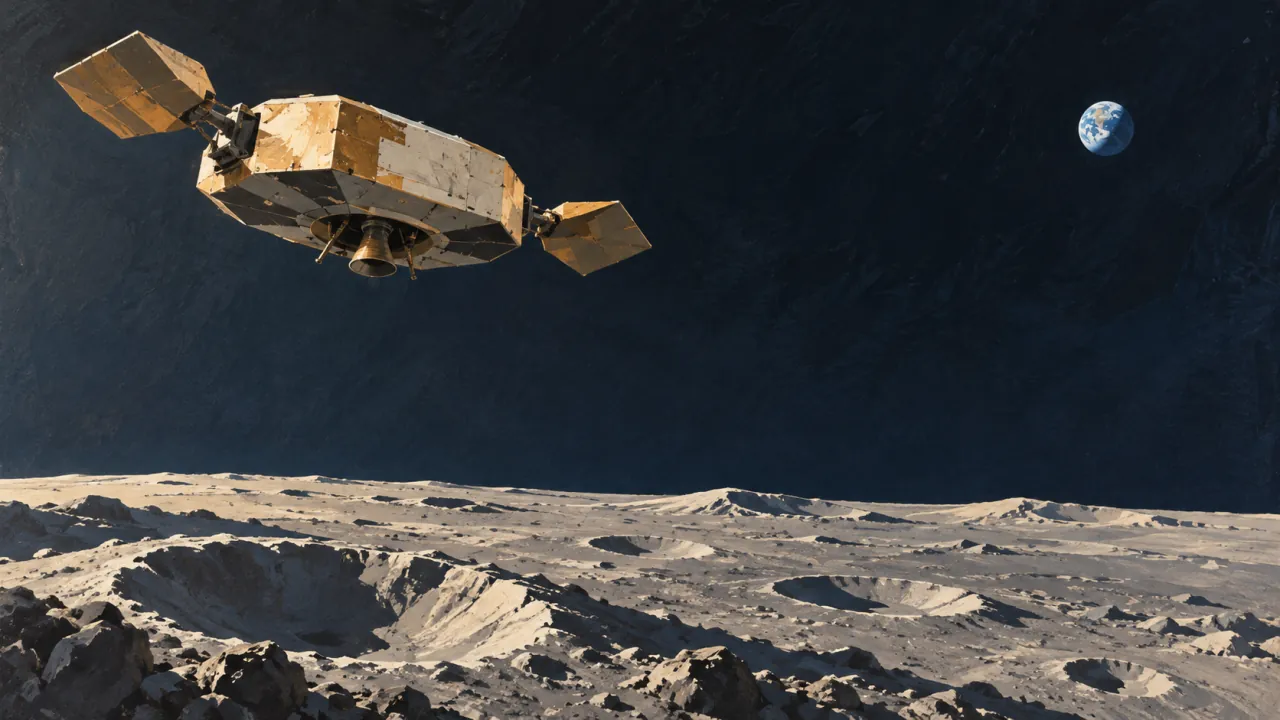
Under SpaceX’s revised plan, the Starship Human Landing System will dock with Orion in Earth orbit. Starship will then perform the burn that sends the combined spacecraft toward the Moon and into low lunar orbit. NASA said it is working on changes to Orion to enable that operation. SpaceX will retain its approach of using multiple tanker Starships to deliver cryogenic propellant to an orbital depot, which will then fuel the lander.
For its accelerated 2028 landing mission, Blue Origin will defer propellant transfer and use three transfer stages to send its Blue Moon Mark 2 Alpha Lander toward the Moon. The stages will separate as their propellant is depleted. The lander will meet Orion in an elliptical polar lunar orbit before carrying two astronauts to the Moon’s South Pole.
NASA said contract realignments have removed the companies’ previous assignments to specific crewed lunar landing missions. The first provider selected for a 2028 landing will depend on lander readiness, with a second crewed landing opportunity to follow. Both companies must complete uncrewed demonstration missions before crewed lunar landings, and NASA must certify the lander systems.
브라우저 메뉴에서 앱 설치 또는 홈 화면에 추가를 선택해 주세요.