FTC and 20 States Sue Dollar General Over Alleged Checkout Overcharges
Smartor 편집팀
October 28, 2026

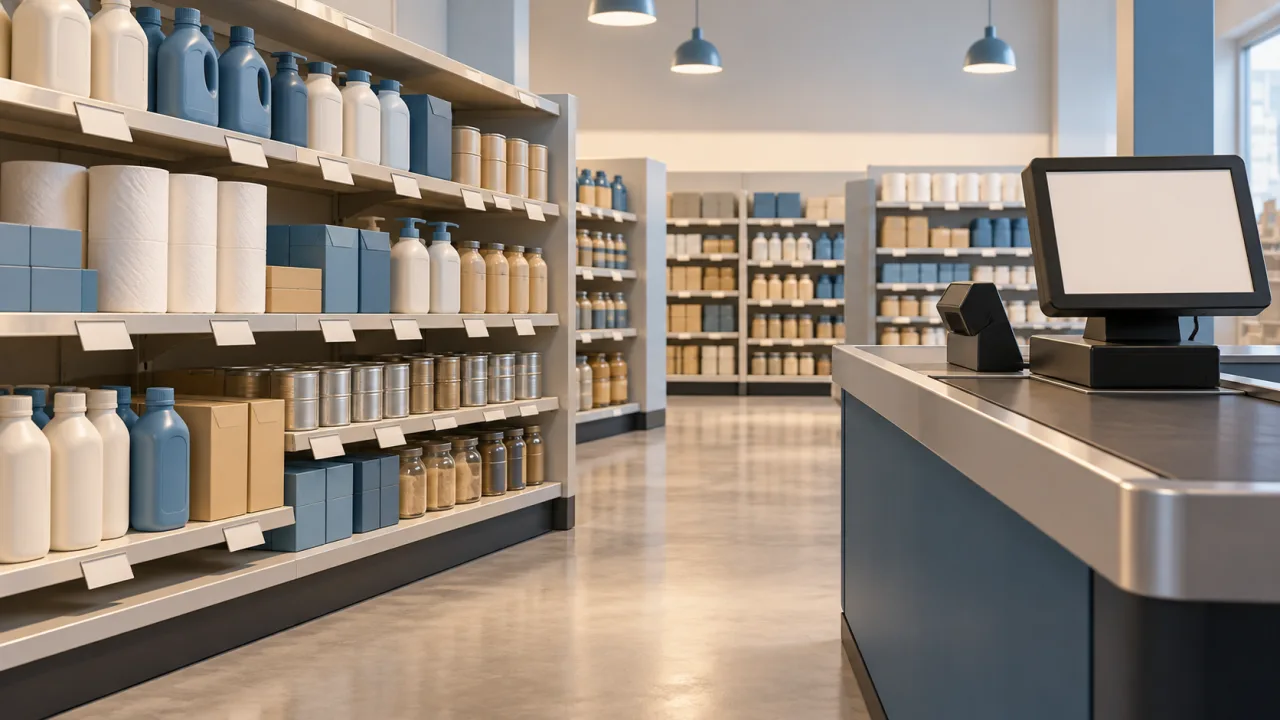
Featured image: AI-generated explanatory illustration of shelf-to-register price discrepancies, not an actual Dollar General store or photograph of the events.
The Federal Trade Commission and 20 states sued Dollar General on October 26 in the U.S. District Court for the Middle District of Tennessee, alleging that the retailer routinely charged shoppers more at checkout than prices displayed on shelves, price tags and advertisements. Dollar General said it had strengthened its price-accuracy processes and would vigorously defend the case.
The FTC alleges that the discrepancies occurred at thousands of stores over several years and resulted in millions of dollars in unlawful overcharges. Those are allegations in a complaint, not findings of liability; the court will decide whether the company violated the law.
According to the agency, Dollar General received tens of thousands of complaints from consumers nationwide who said advertised prices were not honored. The FTC cited those complaints as evidence that the company knew about the problem and alleged that its policies and procedures were insufficient to address it.

New Jersey, California, Connecticut, Florida, Illinois, North Carolina, Ohio and Tennessee are among the 20 states participating in the lawsuit. The FTC said Dollar General operates more than 21,000 stores nationwide and markets low-priced household goods to customers, including those with low or fixed incomes, who depend on accurate prices.
Christopher Mufarrige, director of the FTC’s Bureau of Consumer Protection, said the alleged practices had caused substantial financial harm to consumers and communities already struggling to stretch their paychecks. The lawsuit seeks a permanent injunction, monetary relief and other remedies, CBS News reported. The commission voted 2–0 to authorize the complaint.
In a statement provided to CBS, Dollar General said its goal was complete accuracy between shelf and register prices at every store. It said occasional discrepancies could occur despite its procedures and that store teams were expected and authorized to resolve them for customers. The company also said it had enhanced its price-accuracy processes in recent years.
Dollar General said it learned of the FTC investigation in early February and had tried to reach a resolution without litigation. It disputed the amount sought by FTC staff, saying it was far larger than a realistic assessment of the amounts attributable to pricing discrepancies, and said it would defend the lawsuit vigorously. The FTC emphasized that filing a complaint is not a final determination of a violation and that the case will be decided by the court.
브라우저 메뉴에서 앱 설치 또는 홈 화면에 추가를 선택해 주세요.