XO Poppy Power Bank Recall: Model Check, Refund and Safe Disposal
Smartor 편집팀
September 4, 2026

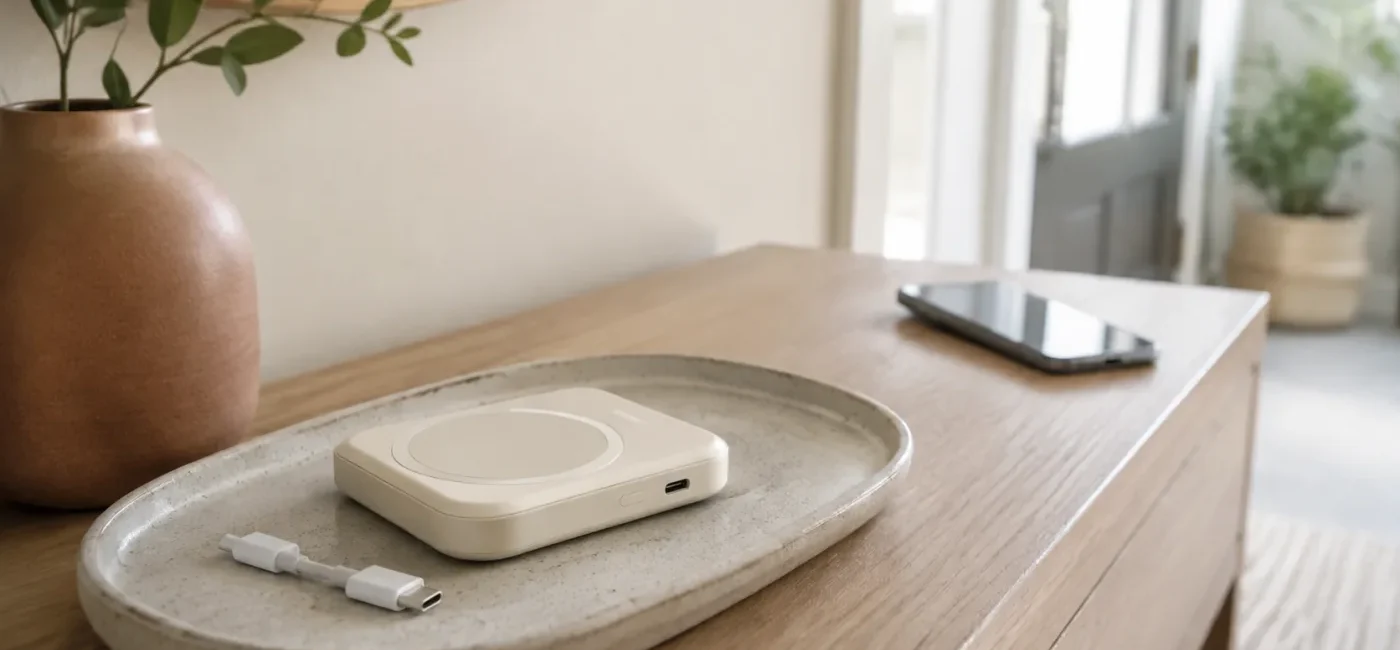
If you have a small magnetic wireless power bank at home or in a travel bag, check the product and its packaging before charging it again. On September 3, 2026, the U.S. Consumer Product Safety Commission announced a recall of about 32,400 XO Poppy Power Trip Magnetic Wireless Power Banks because their lithium-ion batteries can overheat and ignite, creating fire and burn hazards. The affected model is PYPBK5M, sold in three designs: plain cream, cream with a pink bow print, and black with a teddy bear print.
Consumers should stop using and charging the recalled power banks immediately. They should not be placed in household trash, curbside recycling, the general recycling stream, or the used-battery collection boxes commonly found at retailers and home-improvement stores. No incidents or injuries had been reported to CPSC at the time of the recall notice, but that does not make continued use safe. This guide explains how to identify the model, request the refund, store it temporarily, and confirm a safe local disposal option.
According to the CPSC notice, the lithium-ion battery inside the recalled power bank can overheat and ignite. Compact battery packs store substantial energy in a small enclosure, and consumers may not be able to see a manufacturing defect or internal damage from the outside. The important point is not that many fires have already occurred. This is a preventive recall of a defined product group. CPSC reported no incidents or injuries, yet still instructed consumers to stop using the units immediately.
The recall does not cover every XO Poppy accessory or every magnetic power bank. It specifically covers the Power Trip Magnetic Wireless Power Bank with model number PYPBK5M. The more specific product codes appear on the bottom of the original packaging directly above the barcode. Color and pattern are useful for a first check, but they should be compared with the model information whenever the packaging is available.
There are three affected designs. The plain cream version is PY-PBK5M-CR2. The cream version with a pink bow print is PY-PBK5M-BW8. The black version with a teddy bear print is PY-PBK5M-TB2. If the packaging is gone, compare the unit’s appearance, purchase location and purchase date with the official CPSC photos. If the match remains uncertain, keep the device out of use and ask the recall administrator how to verify it from clear photos.
About 32,400 units were sold at TJX and Marshalls stores nationwide from April 2025 through March 2026 for approximately $15. A power bank obtained through a gift, a resale listing, or a family member can still be affected even if the current owner never visited the store. Do not exclude a device simply because the receipt or packaging is missing; ask the official recall contact what evidence is needed.
Anyone who bought a small charging accessory at TJX or Marshalls during the stated period should check. Look in travel pouches, purses, emergency kits, desk drawers, vehicle consoles and shared charging drawers. Because the power bank attaches directly to a phone magnetically, some owners may remember it as a phone accessory rather than as a conventional cable-connected battery pack.
Households and workplaces with shared chargers should treat an unidentified matching unit as unavailable until someone verifies the model. Tell other household members or employees not to charge it. Keep it away from children, pets, paper, bedding, clothing and other items that can burn.
Air travelers need to be especially careful. FAA rules generally require power banks to remain in carry-on baggage rather than checked baggage. However, FAA guidance also says damaged or recalled batteries and battery-powered devices that are likely to create sparks or dangerous heat must not be carried aboard an aircraft unless the battery has been removed or the device has otherwise been made safe. Do not take this recalled power bank to the airport. Check the recall administrator’s instructions and the airline’s policy first. Smartor’s U.S. airport security and carry-on guide explains the general rules for batteries and other common travel items.
Resellers and donation coordinators should not pass the product to someone else. Remove it from marketplace listings and donation boxes. If a unit has already been sold or given away, promptly send the recipient the official recall link and the instruction to stop using it.
Do not keep charging the power bank to “test” it. If it is at a normal temperature with no smoke, odor, swelling, leaking or unusual noise, disconnect it from the phone and cable, then separate it so no one uses it again by mistake. Avoid beds, sofas, carpet, stacks of paper, direct sunlight, hot vehicles and other places where heat can build up or fire can spread. The U.S. Fire Administration advises consumers to stop using a lithium-ion battery that develops an odor, color change, excessive heat, shape change, leakage or odd noises.
If the device is unusually hot, swollen, hissing, smoking or giving off a burning odor, do not carry it through the home in your hands. Move people away. If there is smoke or fire, evacuate and call 911 from outside. Do not reenter to retrieve property; follow instructions from the fire department.
Use the official CPSC recall page rather than relying on a shopping photo or a reposted social-media image. On the original package, look directly above the barcode for PYPBK5M and the specific design code. The matching combinations are cream PY-PBK5M-CR2, cream with pink bow print PY-PBK5M-BW8, and black with teddy bear print PY-PBK5M-TB2.
If the printing is unclear or the packaging is missing, photograph the front, back and sides of the power bank and gather any available purchase record. Tell the recall contact that the device resembles the recalled item but cannot be confirmed from packaging. Do not open the enclosure to look for markings on the internal cell. A power bank not designed for consumer service can be punctured or short-circuited when disassembled.
A paper receipt may not be the only useful record. Check card statements, store-app histories, email receipts or the purchaser’s order information. Before beginning the claim, photograph the complete unit, the design, the barcode and model code on the package, and the number of units you have. Save the submission date, confirmation number, contact channel and disposal instructions you receive.
Do not mail the power bank or put it in a parcel unless the official recall process explicitly tells you to do so. Damaged, defective and recalled lithium-ion batteries can be subject to specialized packaging and transportation rules. A normal return label does not automatically mean a recalled battery can be shipped like ordinary merchandise.
CPSC lists the following Truststone Group contacts: toll-free 833-820-0888, Monday through Friday from 8:30 a.m. to 6 p.m. Eastern Time; email xopowerbank@realtimeresults.net; and the official registration site at recallrtr.com/xopowerbank. The remedy is a full refund in the form of a virtual gift card that can be used at any establishment accepting Mastercard.
Open the registration link from the CPSC notice and compare the domain instead of trusting a sponsored search result or an unsolicited message. Stop if someone claiming to process the recall asks for a bank password, card PIN, remote-access software, advance payment or a separate gift-card purchase. Follow the current evidence and product-handling instructions on the official form, and keep the confirmation page or email.
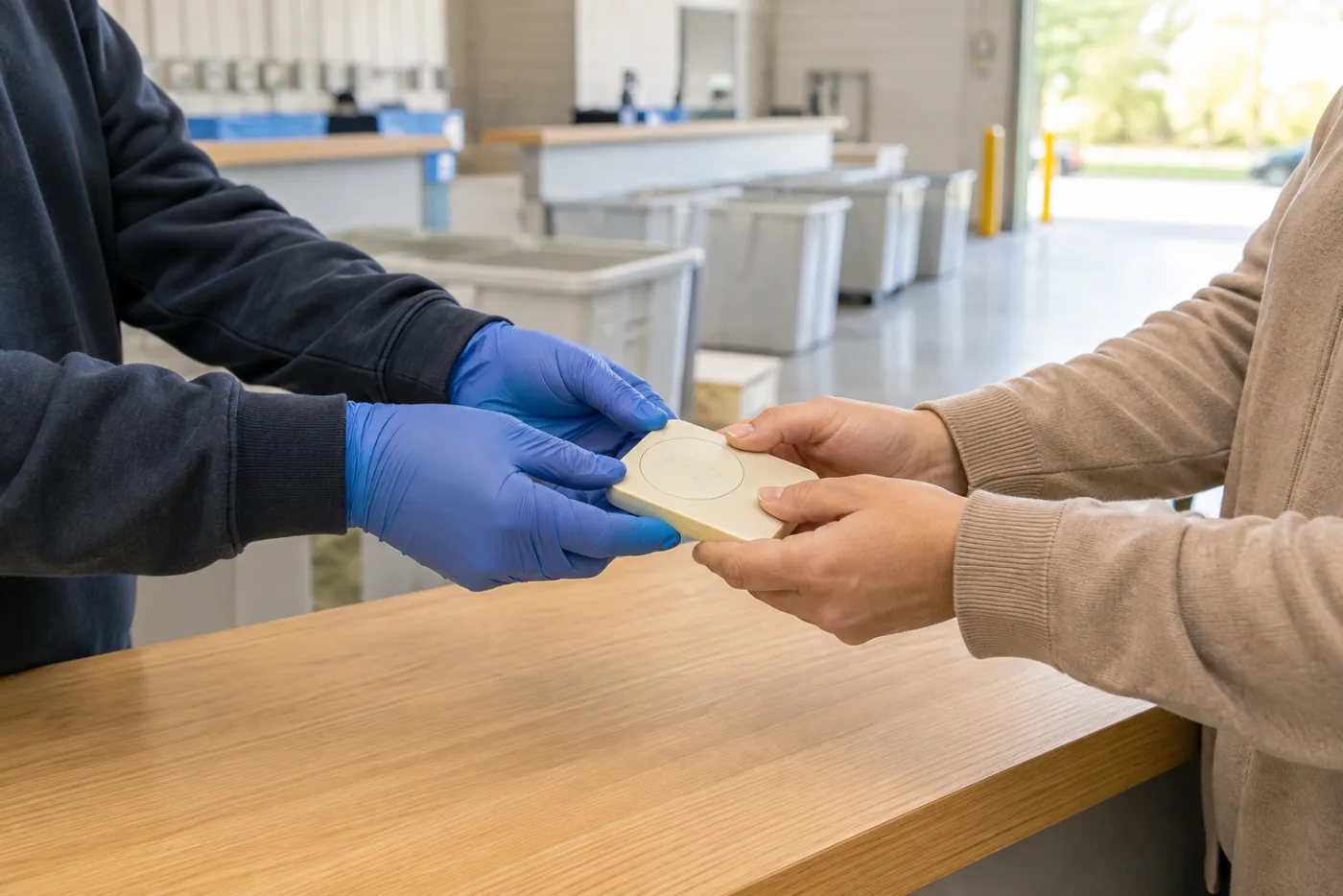
CPSC specifically says not to throw this recalled device in the trash, general recycling stream, street-level or curbside recycling bins, or the used-battery recycling boxes found at many retail and home-improvement stores. Recalled lithium-ion batteries require different handling because they present a greater fire risk. Call the local household hazardous-waste program and ask whether it accepts a recalled power bank with an internal lithium-ion battery. If it does not, contact the municipal or county solid-waste office for the next approved option.
EPA’s general consumer guidance recommends protecting battery terminals with nonconductive tape and placing each lithium-ion battery or battery-containing device in a separate plastic bag. Because this particular device is recalled, the product-specific CPSC instructions and the receiving facility’s directions take priority. Do not open the power bank or remove its internal cell just to apply tape. Ask the facility about packaging, appointments, vehicle loading and what to do with a damaged unit before transport.
While waiting for a claim or disposal appointment, avoid a hot vehicle, direct sun, heaters and damp areas. Keep the power bank at normal room temperature in a dry location away from combustible material and out of reach of children and pets. Do not place it loose with keys, coins or tools. Mark the nearby storage area so another person does not mistake it for a normal charger, but never puncture, staple or physically alter the unit to label it.
After finding one matching device, check desks, cars, emergency kits, guest rooms and travel bags for another. A small business can inventory shared chargers and notify staff with the official model photos. Track each unit’s photo and claim number separately to prevent one from being missed. Other brands are not automatically part of this recall, but any lithium-ion device showing swelling, excessive heat, odor, leakage or unusual noise should also be removed from service and handled according to manufacturer and local safety guidance.
No. CPSC reported no incidents or injuries but still directed consumers to stop using the product immediately because the internal battery can overheat and ignite. A zero-incident count does not certify an individual unit as safe.
No. Color alone is not enough. The official recall covers model PYPBK5M and the three listed design codes. Compare the pattern, seller and sale period as well. If the package is missing, use the official photos and ask the recall contact to verify your unit.
The CPSC notice identifies a full refund as the remedy, but the recall administrator determines the verification steps and required evidence. Do not give up solely because the paper receipt is gone. Gather photos, card statements or store-app history and ask the official contact what can be accepted.
This is a recalled lithium-ion device. CPSC explicitly says it must not go into household trash, municipal recycling or the ordinary used-battery boxes at retailers and home-improvement stores. Compression, short circuits or damage during collection and sorting can create a fire risk. Use a facility that has confirmed it accepts recalled lithium-ion devices.
Do not improvise a shipment. Recalled lithium batteries may require special packaging and transportation controls. Follow only the return or disposal method supplied through the official recall process, and request clarification before shipping if any instruction is ambiguous.
Do not bring this recalled unit to the airport. FAA guidance says damaged or recalled batteries likely to create sparks or dangerous heat cannot be carried in either carry-on or checked baggage unless removed or otherwise made safe. Replace it with a non-recalled charger and check the airline’s rules before traveling.
Do not carry a hot, smoking, hissing or odorous battery in your hands or load it into a vehicle. Move people away; if there is smoke or fire, evacuate and call 911. If it is damaged without an immediate fire sign, first ask the manufacturer, local fire authority or HHW program for safe handling instructions.
Smartor Editorial Team · Updated September 4, 2026. Recall claim requirements and local disposal rules can change; verify the latest official instructions before moving, shipping or discarding the product.
브라우저 메뉴에서 앱 설치 또는 홈 화면에 추가를 선택해 주세요.
[…] Read this article in English → […]