
Amazon Prime Refunds Expanded: Eligibility, Up to $200, and Scam Checks
Smartor 편집팀
September 26, 2026

Some U.S. Amazon Prime customers are set to receive additional automatic refunds. Under a revised court order announced by the Federal Trade Commission in September 2026, more consumers are covered and the maximum total settlement payment per eligible customer has increased from $51 to $200. That does not mean every Prime member will receive $200, and there is no new claim form to submit. Eligibility depends on the enrollment or cancellation experience, the relevant dates, and how many Prime benefits were used.
The most important practical point is simple: you do not need to pay a fee or re-enter sensitive information through an unsolicited link to receive this refund. The FTC says Amazon will automatically send eligible consumers a mailed check or an electronic payment through PayPal or Venmo. The FTC is not contacting people about these refunds, and no legitimate party will ask you to pay money to unlock your payment. This guide explains the eligibility rules, timing, the real meaning of the $200 cap, and how to verify a payment safely.
The FTC alleged that Amazon enrolled some consumers in Prime without their knowledge or consent and made cancellation unnecessarily difficult. The case led to a $2.5 billion settlement in September 2025: up to $1.5 billion for consumer redress and a $1 billion civil penalty. Amazon began sending payments to eligible customers in November 2025. According to the FTC, more than $845 million had been issued to consumers by September 2026.
The latest development is not an invitation to join a new class action. It changes the payment process for the existing settlement. In September 2026, a federal court approved a joint FTC-Amazon request to expand and speed up future redress. Earlier automatic-payment phases focused on qualifying customers who used fewer than 10 Prime benefits in a one-year period. Under the revised order, additional consumers who meet the other requirements and used between 11 and 20 benefits in a one-year period can be included in automatic payments.
The per-person cap also changed. Earlier phases were capped at $51 per eligible consumer. The revised order raises the maximum total settlement payment to $200. The word “maximum” matters: the amount depends on eligibility and Prime subscription fees, and the change does not guarantee that everyone who previously received $51 will immediately receive another $149.
The FTC says that if consumer-accepted payments do not reach the amount required by the order by February 2027, Amazon will provide additional automatic payments to eligible consumers who previously accepted settlement payments. Those supplemental payments could be as much as $149, would begin by April 2027, and could bring an eligible customer’s total to no more than $200. Headlines saying that “every Prime customer gets $200” or that consumers must “apply now for $200” leave out essential restrictions.
The FTC’s official Amazon Refunds page lists three central requirements. A consumer must meet all three:
The challenged enrollment flows identified by the FTC include the universal Prime decision page, the shipping selection page, single-page checkout, and the Prime Video enrollment flow. Benefit usage can include Prime Music or Prime Video products offered at no additional charge to subscribers. Simply having paid for Prime during the relevant years does not by itself guarantee a refund.
You also do not need to reconstruct every click or hand your account history to a private claims company. Amazon, as the redress administrator, uses the account information and records covered by the order to determine eligibility and make automatic payments. Not remembering a checkout screen from several years ago is not a reason to give a third party your login credentials.
The expanded group primarily includes some people excluded from earlier payment phases because of benefit usage. The FTC specifically says millions of additional consumers who used 11 to 20 Prime benefits during a one-year period may begin receiving automatic refunds on October 1, 2026. People who already accepted an earlier refund may also qualify for a later supplemental payment, but the amount and timing depend on the order’s overall payment requirements.
Consumers who used more than 20 benefits during a relevant 12-month period, enrolled outside the covered dates, or did not encounter one of the covered enrollment or cancellation flows may not qualify. Current membership status alone is not decisive. A former member whose historical account activity meets the order’s conditions may still be included, while a current member may not meet the specific criteria.
The new payments are automatic. The FTC says consumers do not need to submit a claim, respond to a notice, or complete paperwork. Do not use a paid “refund registration” service. If a search ad, social media post, email, or text asks for a Social Security number, bank password, full card number, or fee to meet a supposed deadline, stop.
Instead of following a link in a message, open the Amazon app you already use or type the familiar website address yourself. Check that the email address, phone number, and mailing address associated with your account are current. Updating contact details is ordinary account maintenance; it is not a settlement claim. Check the browser address carefully before entering a password or payment information.
The official distribution methods are mailed check, PayPal, and Venmo. If an email or text includes a payment button, consider opening the payment service’s official app separately and reviewing activity there. For a paper check, inspect the payee, amount, issuer, and accompanying notice. If anything looks wrong, use the contact details published on the FTC’s own refund page rather than a phone number printed in a suspicious message.
The FTC says payments expire 60 days after issuance. Do not discard a genuine notice or leave a verified check uncashed past the deadline. Logging in normally to an official payment app is different from sending someone a processing fee or disclosing an authentication code. Never share a one-time code with a caller or message sender.
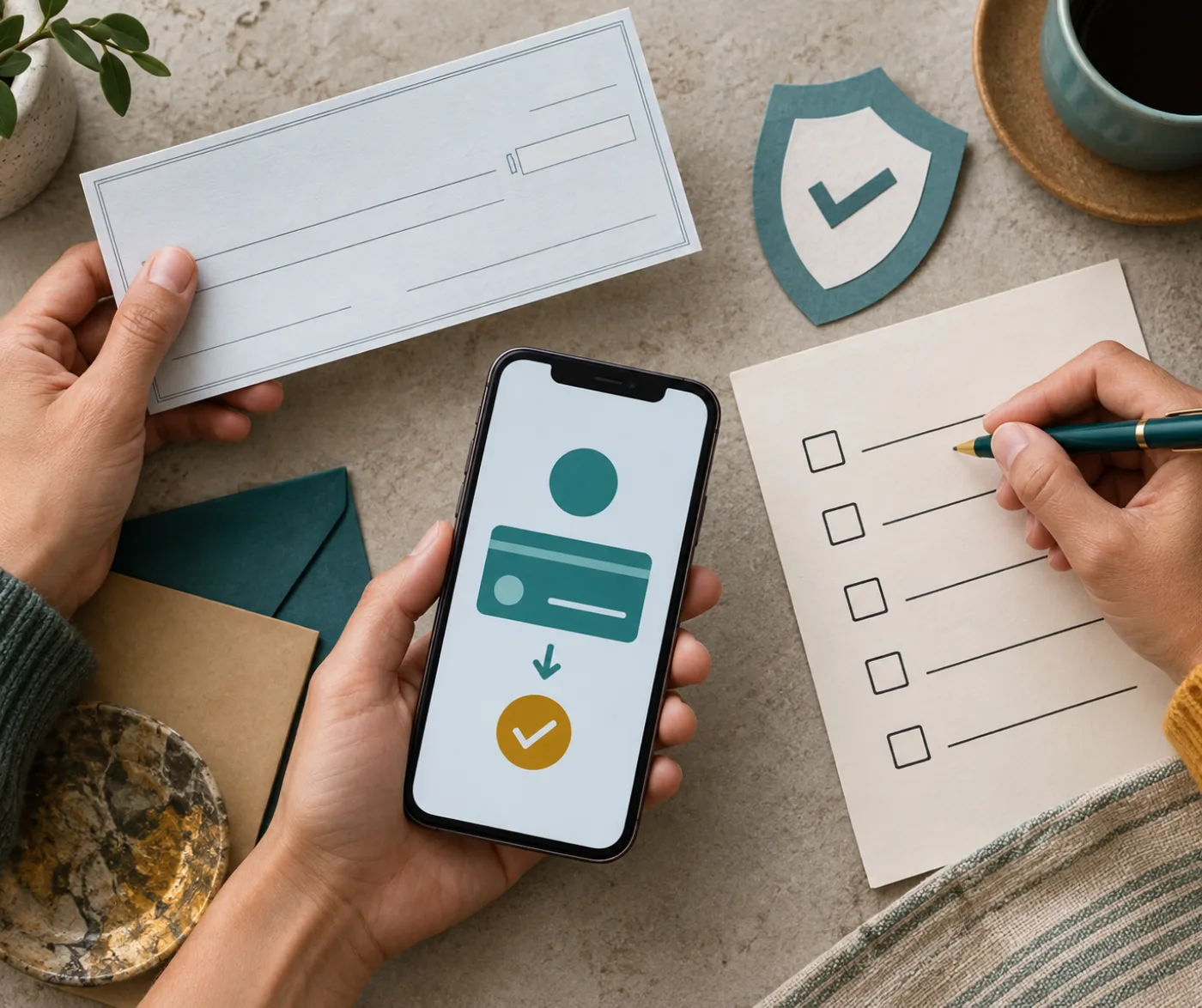
If you received a related refund in 2025 or 2026, record the date, amount, and payment method. Retain a safe copy of the check record or electronic transaction. Because the revised order sets a $200 total cap, your own record can help you compare any later payment notice with what you have already received. You do not need this record to file a claim; it is simply a useful way to verify your transactions.
Scammers often imitate real payment programs while they are in the news. Stop before sending money or information if a message does any of the following:
The FTC explicitly says it is not contacting people about the Amazon refund matter, and Amazon will not ask anyone to pay money to receive a refund. You can report suspicious messages at ReportFraud.ftc.gov. If you already disclosed a password or authentication code, use the service’s official app or website to change the password immediately, update any other account that reused it, and contact your financial institution to review transactions.
Start with the FTC’s official Amazon Refunds page, not a sponsored search result or a forwarded link. It lists the eligibility criteria, payment methods, 60-day expiration rule, timing, and administrator contact information. If you need help with a payment, retrieve the current email address or phone number from that page each time instead of relying on an old screenshot or a third-party post.
For the legal and timing details, read the FTC’s September 2026 announcement and the revised redress order linked from it. The official documents distinguish the October 1, 2026 start for the expanded payment group, the $200 total cap, the possible supplemental payment of up to $149, and the timeline extending through April 2027.
Not receiving money immediately does not necessarily mean there is an error. Eligibility uses multiple records: enrollment flow, cancellation experience, relevant dates, and benefit usage. The FTC says eligible payments may continue through April 2027. Check your account contact details and the official schedule before escalating. When contacting the administrator listed by the FTC, do not email a password, one-time code, or other login credential.
No. The $200 figure is the maximum total settlement payment for an eligible consumer under the revised order. A person must meet the covered enrollment or cancellation requirements and the benefit-use limit. The actual amount may depend on Prime fees paid and any earlier settlement payment.
No. The FTC says future payments are automatic. Consumers do not need to file a claim, respond to a notice, or complete an additional form. Avoid companies that charge to submit a claim that is not required.
No. The FTC says an additional automatic payment of up to $149 may be issued to eligible consumers who accepted an earlier payment if accepted payments have not reached the order’s required threshold by February 2027. Any supplemental round would begin by April 2027, and the combined total would be capped at $200.
Amazon will distribute eligible payments by mailed check, PayPal, or Venmo. Payments expire 60 days after issuance, so verify and accept or deposit a legitimate payment before it expires.
The FTC says it is not contacting consumers about this Amazon refund matter. Do not respond to requests for money, passwords, Social Security numbers, financial-account logins, or authentication codes. Navigate to the FTC website independently to verify the program.
Current membership by itself does not decide eligibility. The order focuses on enrollment or unsuccessful cancellation activity between June 23, 2019, and June 23, 2025, plus benefit usage after enrollment. A former customer may be included if the historical account records satisfy the conditions.
First remember that the payment schedule may extend through April 2027, and confirm that your mailing address and account contact details are current. Then use the administrator contact information currently posted on the FTC’s Amazon Refunds page. Do not pay a third party or disclose your account password in exchange for a promised payment.
By the Smartor Editorial Team. This article provides general consumer information, not legal, tax, or financial advice. Verify individual eligibility and payment status through the FTC’s official refund page and the program administrator listed there.
브라우저 메뉴에서 앱 설치 또는 홈 화면에 추가를 선택해 주세요.