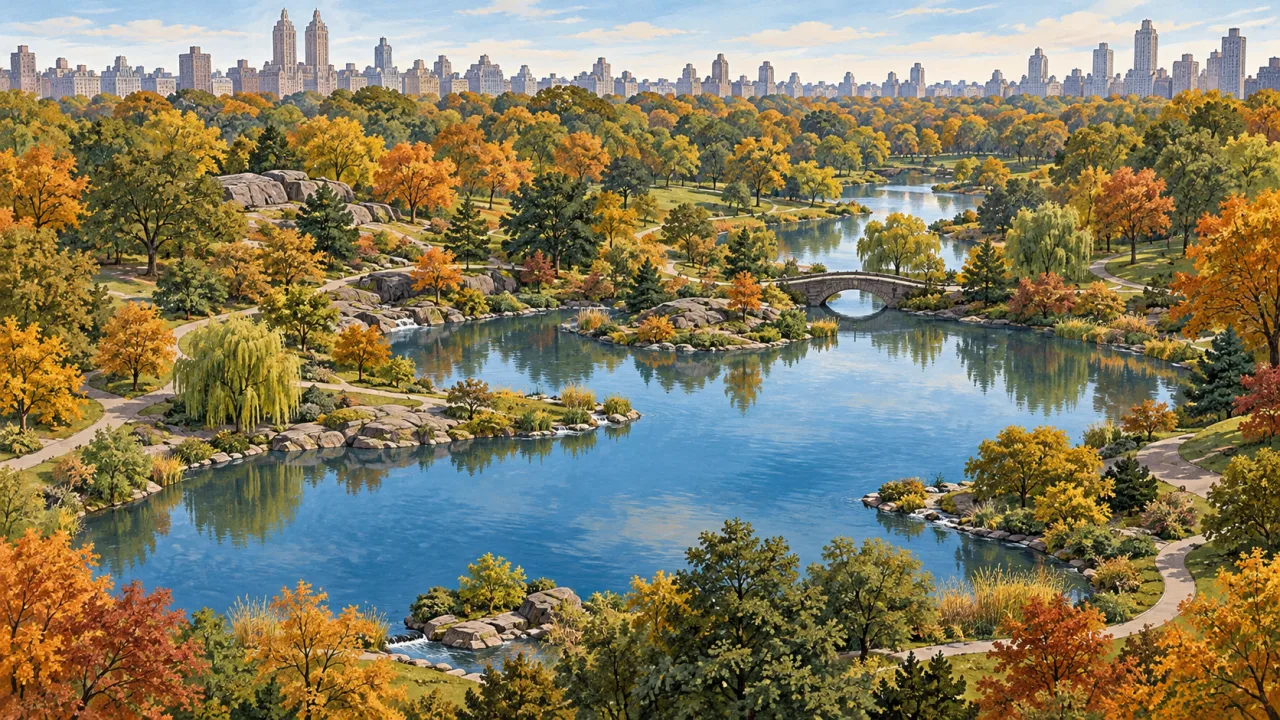
NYC Announces $35.7 Million Central Park Water Recirculation Project, Due in Fall 2028
Smartor 편집팀
October 27, 2026

Featured image: AI-generated explanatory illustration, not a photograph of the construction site or an approved engineering plan.
New York City and New York State announced the groundbreaking of a $35.7 million water recirculation project in northern Central Park on October 26, intended to reduce flooding pressures in Harlem and East Harlem. Mayor Zohran Mamdani, Governor Kathy Hochul and Central Park Conservancy President and CEO Betsy Smith participated in the announcement. Completion is expected in fall 2028.
The North End Recirculation Project will circulate and filter water among the Pool, the Loch and the Harlem Meer. It is designed to reduce reliance on the city’s drinking water supply, currently the primary source used to replenish those water bodies, while easing pressure on the combined sewer system serving the park and nearby neighborhoods during heavy rain.
In dry weather, water from the Harlem Meer will be pumped to a point south of the Pool and then flow back through the connected system by gravity. Before a major storm, the system will lower the Meer’s water level to make room for incoming rainfall. Normal recirculation will resume after conditions return to normal.
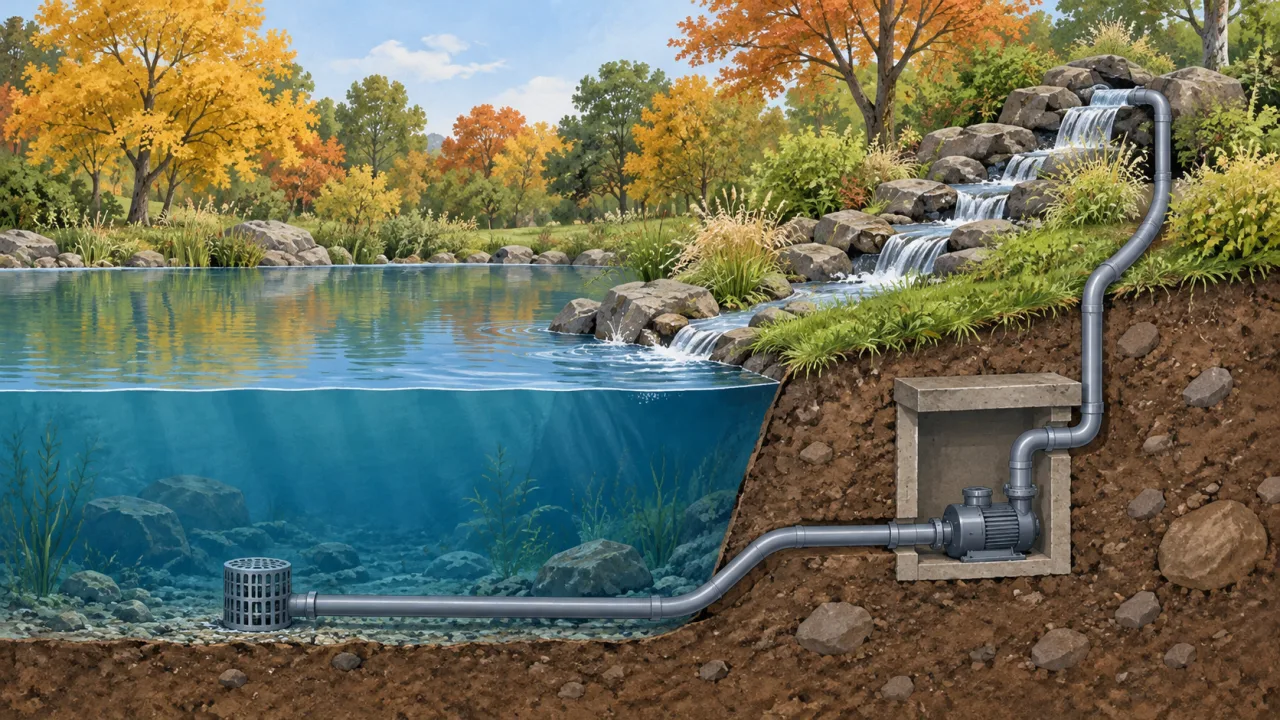
The city estimates that the project will save about 175 million gallons of drinking water and keep approximately 132 million gallons of water out of local sewers each year. It will manage stormwater across a 204-acre park watershed, with stormwater flows from that watershed to city sewers projected to fall by 90%. Those figures describe expected results after completion, not a 90% reduction in flooding across Harlem. The Conservancy’s project overview gives the same annual water-saving and sewer-diversion estimates.
Funding includes more than $19.6 million in city capital support and a $10 million Green Resiliency Grant from the New York State Environmental Facilities Corporation. Of the city capital funding, $14.2 million comes from the Department of Environmental Protection. The state grant is financed by the environmental bond act approved in 2022. Conservancy donors are contributing another $3.5 million.
The Conservancy’s project page says construction began in September 2026, distinguishing the start of work from the October 26 groundbreaking announcement. The city’s Public Design Commission granted final design approval in December 2024. The city and Conservancy also expect the recirculation system to improve water quality in the three water bodies and reduce harmful algal blooms during warmer months.
브라우저 메뉴에서 앱 설치 또는 홈 화면에 추가를 선택해 주세요.