
September 12, 2026 Powerball Results: Claim and Scam-Safety Guide
Smartor 편집팀
September 13, 2026

The winning numbers for the Saturday, September 12, 2026 Powerball drawing were 14, 16, 23, 58 and 69. The red Powerball was 3, and the Power Play multiplier was 2x. If you have a ticket, do more than glance at the numbers or trust a screenshot in search results. Check the draw date, each individual play line, the red ball and whether you purchased Power Play.
This guide explains the full process after that first comparison: how to protect the original ticket, verify a possible win through two official channels, find the correct claim office, check the deadline and disclosure rules, preserve tax records, handle a group ticket and recognize fake winner notifications. Powerball is a multi-jurisdiction game, but claim procedures are set by the lottery that sold the ticket. National guidance and local rules therefore need to be checked separately.
Powerball’s official Previous Results page lists a Saturday drawing on September 12, 2026. The five white balls were 14, 16, 23, 58 and 69, the red Powerball was 3, and the Power Play multiplier was 2x. Those elements serve different purposes: the five white balls and red Powerball determine the base prize tier, while Power Play applies only to eligible non-jackpot prizes on plays for which the option was purchased.
Before deciding that a ticket matches, confirm that its printed draw date is September 12, 2026. Advance-play tickets may cover several dates, and one piece of paper may contain multiple plays. A winning combination must be found on one play line. A white ball on line A cannot be paired with the red ball on line B, and numbers across separate tickets cannot be merged.
Powerball explains that white-ball selections are printed in numerical order on a ticket, so they do not have to match the order in which the balls were drawn. The red Powerball is a separate field and cannot be replaced by an identical white-ball number. Power Play is also not automatic: the ticket must show that the add-on was purchased for that play.
Check every play line against the official result and make sure the ticket does not include additional draw dates. A retailer scanner or official lottery app can be a useful second check, but first verify that the app or website belongs to the lottery in the jurisdiction where the ticket was sold. Look up the official channel independently instead of following an ad or unsolicited link.
A group should document who contributed, which tickets belong to the pool and who holds the originals. Waiting until a possible win appears to discuss ownership invites disputes. Keep a participant list, purchase date, clear ticket images and contribution records. For a significant prize, ask a lawyer and tax professional familiar with the selling jurisdiction about ownership and claim structure before anyone acts alone.
A Powerball win normally begins with a ticket you actually purchased. Powerball says lotteries will not call or email to say you won unless you specifically entered an official promotion or contest. The Federal Trade Commission says a demand for “taxes,” shipping, processing charges or financial information before a prize is released is a scam sign.
A large possible win calls for a careful sequence: secure the original, determine the deadline, review disclosure rules, understand taxes and evaluate payment choices. Powerball’s FAQ says a U.S. jackpot winner may generally choose a cash option or an annuity consisting of one immediate payment followed by 29 annual payments that rise by 5% each year. Both advertised options are before federal and jurisdictional taxes. The selling lottery controls the actual claim procedure and any election deadline.
Keep it away from water, heat, laundry, tape and laminating machines. A damaged barcode or faded printing can complicate validation. Photograph both sides clearly for your private records, but do not post an image that exposes the barcode or full ticket details. A photo can document possession; it should not be assumed to replace the original for a claim.
Use Powerball’s Previous Results page with September 12, 2026 as both the start and end date. Then verify again on the official website or authorized app of the lottery that sold the ticket. A search snippet, number-collection blog, screenshot or social post is not a final source. Enter the known official domain yourself or navigate from the lottery’s home page to avoid lookalike sites and malicious ads.
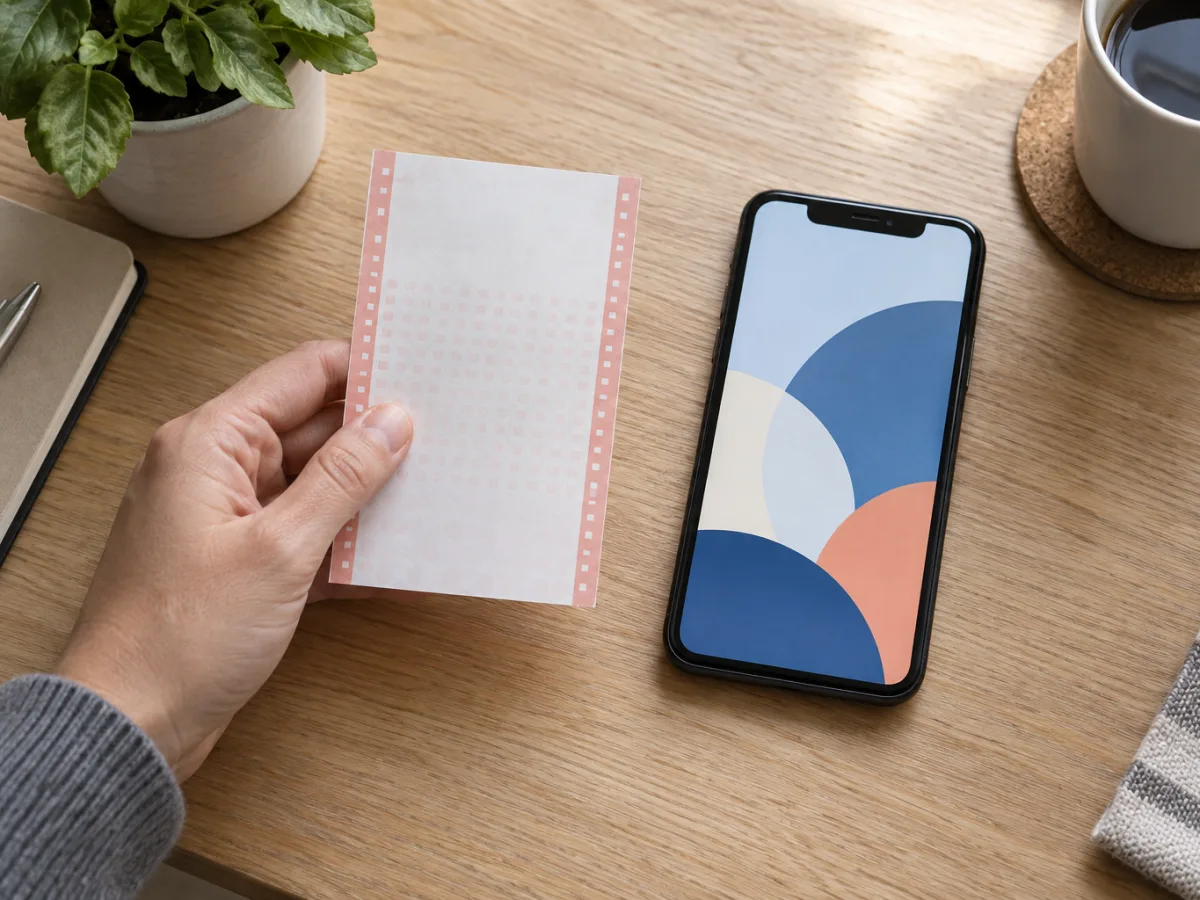
Powerball says players can generally claim prizes up to $600 at a licensed retailer in the jurisdiction where the ticket was purchased. Prizes above $600 may be handled by certain lottery offices or headquarters, depending on the amount. “Generally” matters: identification, taxpayer information, claim forms, appointments, mail claims and dollar limits vary. Use the contact information printed on the ticket or the official lottery’s Claim a Prize page.
Ticket deadlines typically range from 90 days to one year, according to Powerball. A jurisdiction may also set a shorter window for choosing the cash option on a jackpot, so verify the rules promptly. Winner privacy is not uniform either. Some jurisdictions must disclose a winner’s name, city, game and prize amount; others may permit a trust or another legal entity to claim. Do not rely on a general online statement that winners can remain anonymous.
The IRS says gambling winnings, including lottery prizes, are fully taxable and must be reported. A payer may issue Form W-2G and withhold federal tax when applicable, but the absence of a form does not automatically remove the reporting obligation. A substantial win can also create an estimated-tax obligation. State and local treatment may depend on where you live and where the ticket was bought.
Keep the ticket, claim paperwork, payment statements, Form W-2G and any group-ownership records. For casual gamblers, the IRS says gambling losses may be deductible only when deductions are itemized and adequate records are kept, and deductible losses cannot exceed reported gambling income. A major prize deserves individualized advice from a qualified tax professional before the money is claimed or distributed.
Scams can look especially convincing immediately after a widely discussed drawing. An impostor may use a familiar lottery name, claim that “tax” must be paid first, impose a same-day deadline or request bank credentials and one-time security codes. Legitimate tax and claim procedures do not require sending gift cards or cryptocurrency to a stranger who contacted you.
Government-payment impostors use many of the same pressure tactics. Smartor’s guide to verifying a government payment or benefit claim offers a related checklist for finding contact information independently and avoiding advance-fee demands.
On Powerball.com, open Previous Results, select Powerball and enter September 12, 2026 as the start and end date. Confirm the date, five white balls, red ball and Power Play multiplier. For prize tiers or winner counts, continue to the draw-detail page and cross-check the selling lottery’s result.
The Prizes section of Powerball’s FAQ provides the broad framework. The lottery that sold the ticket is the controlling source for the address, hours, mail eligibility, identification, signature instructions, tax forms and disclosure rules. Do not entrust a high-value claim to a retailer’s verbal explanation or an online forum.
IRS Topic No. 419 explains reporting, Form W-2G, estimated tax, loss deductions and recordkeeping for gambling income. Consult the relevant state revenue department or a qualified professional for state tax. This article does not calculate an individual winner’s tax.
The FTC’s Fake Prize, Sweepstakes, and Lottery Scams page identifies advance fees, requests for financial data, government impersonation and fake checks. Report an attempted or completed fraud at ReportFraud.ftc.gov. If personal information was exposed, follow the recovery steps at IdentityTheft.gov; mail-based schemes may also be reported to the U.S. Postal Inspection Service.
The white balls were 14, 16, 23, 58 and 69. The red Powerball was 3, and Power Play was 2x. Verify the date directly on Powerball’s official Previous Results page.
No. White balls can match in any order within the same play. The red Powerball is checked separately, and numbers from different play lines cannot be combined.
No. The play must show that Power Play was purchased. Power Play does not multiply the jackpot itself. Use the official prize chart and the selling lottery’s rules to calculate a non-jackpot prize.
Many lotteries recommend signing to establish ownership, but a shared ticket or a large prize may require legal advice before choosing how a trust, entity or group claim is structured. Secure the original and check the selling lottery’s official instructions before altering it.
Powerball says the prize must be claimed in the jurisdiction where the ticket was purchased. If it was bought while traveling, follow that jurisdiction’s official claim instructions.
Do not assume so. A photo may support your records, but the physical ticket is generally the key claim instrument. Contact the selling lottery immediately for its rules on lost or damaged tickets.
The period typically ranges from 90 days to one year after the drawing, but the exact deadline varies. Check the ticket and the selling lottery’s official website. A cash-option election or another procedural deadline may be shorter.
Start with a ticket you purchased and compare it with official results. Stop communicating if the sender demands an advance fee, gift card, cryptocurrency, financial information or a security code. Contact the official lottery through independently sourced details.
Yes. Lottery winnings are taxable under federal law, and state or local tax may also apply. Withholding is not necessarily the same as the final tax owed. Preserve Form W-2G and other records, and seek professional advice for a substantial prize.
First check every play line and draw date. Also verify whether the selling lottery runs an official second-chance or bonus-entry program. Avoid discarding a signed ticket or one containing identifying information in a public place.
Claim deadlines, disclosure rules and state taxes vary by selling jurisdiction and individual circumstances. Confirm current instructions with the lottery that sold the ticket and with qualified legal or tax professionals before making a major decision. Play only within an entertainment budget.
브라우저 메뉴에서 앱 설치 또는 홈 화면에 추가를 선택해 주세요.