U.S. Vehicle Recall Guide: VIN Checks, Repairs and Used-Car Checklist
Smartor 편집팀
August 30, 2026

A vehicle recall notice can raise several questions at once: Is the car safe to drive? Which shop can perform the work? Will the repair cost anything? Not receiving a letter does not prove that your vehicle has no recall. Your address may have changed, a used vehicle may not yet be connected to your information in the manufacturer’s records, or a newly announced recall may still be adding affected VINs.
The most reliable starting point is the National Highway Traffic Safety Administration’s official recall lookup. Check the vehicle identification number, save the recall number and risk description, and then contact an authorized dealer for that manufacturer to confirm parts and appointment availability. This guide walks vehicle owners and used-car shoppers through locating a VIN, interpreting a search result, scheduling a remedy, documenting delays and checking a car before signing a purchase agreement.
This article provides general U.S. vehicle-safety and consumer information. It is not a mechanical diagnosis or individualized legal, insurance or financial advice. Follow the recall letter, manufacturer instructions, NHTSA guidance and the authorized service center’s directions for your specific VIN. If a notice says not to drive, to park outside, or to take another immediate precaution because of a fire, braking, steering, air-bag or similar risk, follow that instruction promptly.
A safety recall addresses a safety-related defect or a failure to meet a federal motor vehicle safety standard. A vehicle can need a recall remedy even when it has no warning light and appears to drive normally. The experience of another owner, the absence of symptoms and the fact that the car drove well last week do not determine whether your VIN is included.
Not every manufacturer program is a federal safety recall. A customer-satisfaction campaign, warranty extension or non-safety software update can have different eligibility, deadlines and payment rules. NHTSA’s VIN search is primarily a tool for open safety recalls. If a service adviser says your car has a “campaign,” ask whether it has a safety recall number or is a separate warranty or service program.
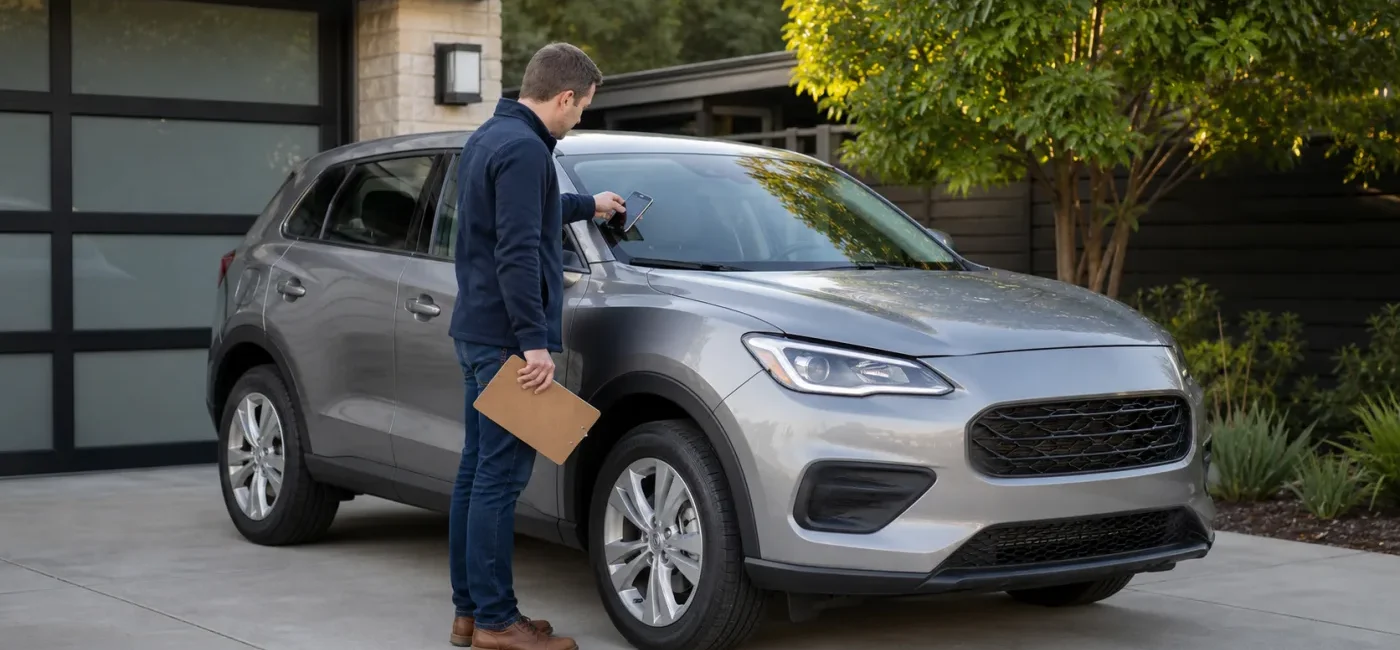
NHTSA explains that a vehicle’s VIN is generally a unique 17-character identifier. Look through the lower driver-side corner of the windshield, or check the registration card and insurance card. A label on the driver’s door or door frame may also show it. Because a license plate can move to a different vehicle and state records can take time to update, compare the VIN on the car with the VIN on the paperwork.
If the VIN in an advertisement, on the vehicle and in the sales contract do not match, do not dismiss it as a harmless typo. Ask the seller to correct every document before you sign or pay. A VIN is not the same as a Social Security number, but it identifies a particular vehicle and does not need to be shared more broadly than necessary.
Open the NHTSA recall lookup and enter the VIN, or a license plate where that search is supported. A VIN or plate search can show whether a specific vehicle has an unrepaired safety recall. A year-make-model search is broader; it is useful for reviewing general recalls, investigations, complaints and manufacturer communications, but it does not by itself prove whether one particular car still needs a repair.
Record the lookup date, the last six characters of the VIN, the recall number, the defect description and the manufacturer contact information. Save a PDF or screenshot of the result. A service center may need the full VIN for an appointment, so provide it through the dealer’s official phone number or secure booking form rather than a public message.
NHTSA says that a VIN or license-plate search may display “0 unrepaired recalls associated with this VIN” when it does not find an open recall. That result is useful, but it is not a certificate that the vehicle has no mechanical problems, that every past repair was performed perfectly, or that no recall will be announced later.
NHTSA also lists items that may not appear in the VIN result: recalls that have already been repaired; some newly announced recalls for which all affected VINs have not yet been identified; recalls generally more than 15 years old; certain small-manufacturer recalls; non-safety customer-service campaigns; and recalls involving an international vehicle. If you have heard about a new recall but see zero results, check again later and contact the manufacturer with the VIN.
Do not estimate urgency from a short recall title. Read how the defect can occur, whether the notice lists warning signs, how it relates to crash or fire risk, and whether there is an interim precaution. Some recalls allow normal use while the owner waits for an appointment. Others may instruct an owner not to drive or to park outdoors away from buildings and other vehicles.
If a notice is hard to understand, ask the manufacturer for a written explanation or available language assistance. When a friend or relative helps with the call, participate in the conversation and limit the personal information you authorize them to receive.
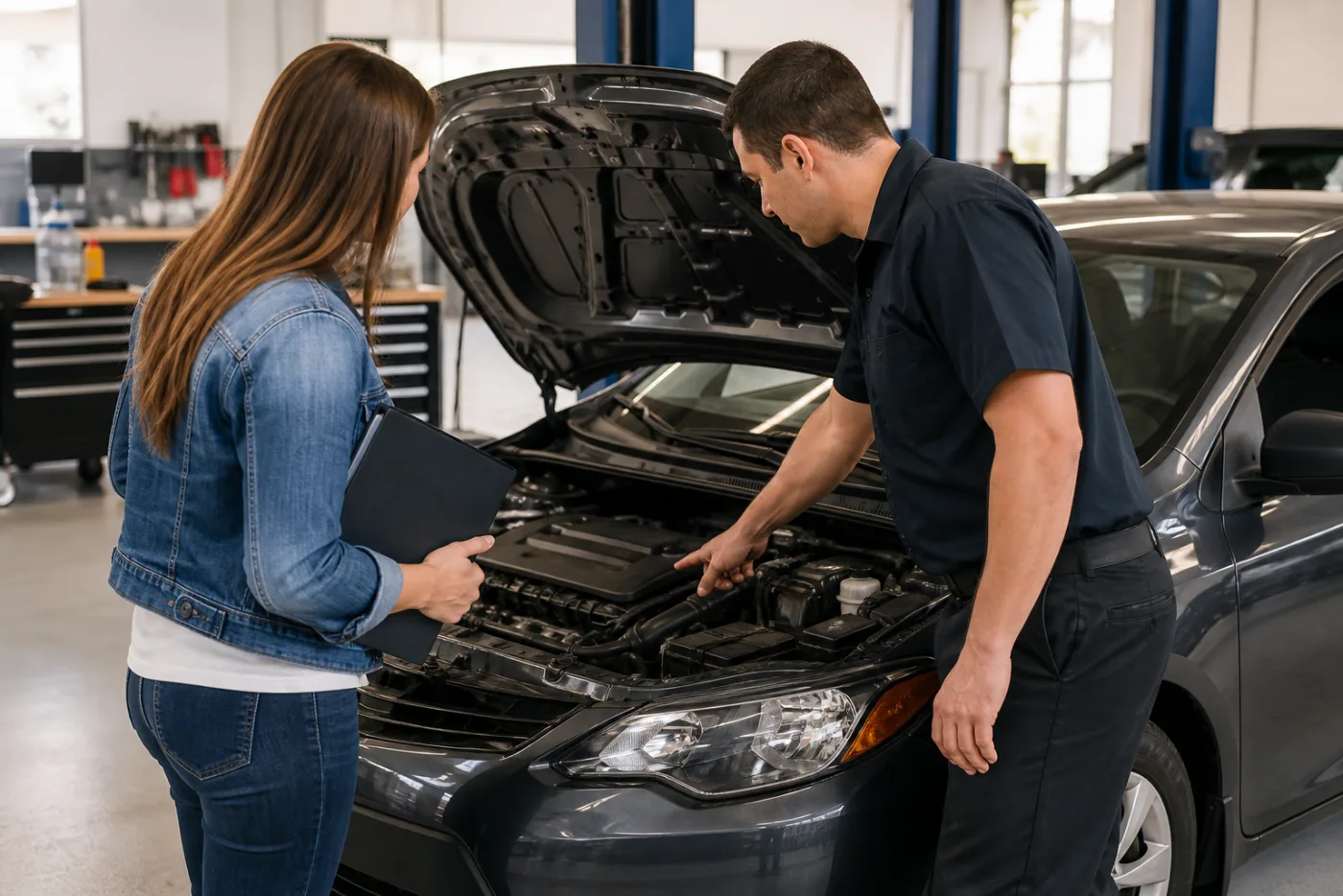
A recall remedy is normally completed through the manufacturer’s authorized dealer or service network. A trusted independent mechanic may do excellent work but may not have the recall parts, special software or manufacturer reimbursement access. Use the dealer locator on the manufacturer’s official website or the contact information in the recall notice instead of assuming that the first repair shop in a search ad is authorized.
When booking, provide the recall number and VIN and state that you need a recall remedy, not merely a general inspection. A dealer may need to verify eligibility and order a VIN-specific part. An appointment date does not always mean that the part is on hand. Reconfirm parts availability a day or two before the visit.
The official recall remedy is generally provided without charging the vehicle owner. Do not assume, however, that every diagnostic item, unrelated repair, tow or rental is automatically covered. If a cost is presented, ask exactly what the charge covers, whether the manufacturer has an assistance program and whether advance approval is required. Confirm disputed charges with the manufacturer before authorizing them.
Recall parts are not always immediately available. If a dealer says to call again later, create a simple contact log instead of relying on memory. Record the date, dealer, adviser, recall number, expected parts date, interim safety instruction and next follow-up date. Ask for an email or text confirming that you are waiting for a part or appointment.
If the car cannot be driven or must be parked outside, ask about towing and alternate transportation before paying out of pocket. A receipt alone does not guarantee reimbursement. When assistance is approved, save the case number, representative’s name, approved amount and period, and required receipts.
When picking up the vehicle, review the repair order for the recall number, work performed, part or software update, completion date and mileage. Distinguish between an inspection that found no action necessary and an actual replacement or update. Paid work should be listed separately from the recall remedy.
The online VIN status may take time to reflect the manufacturer’s report, so keep the service paperwork and recheck NHTSA later. If it still shows open after a reasonable processing period, ask the dealer and manufacturer whether the completion record was submitted. If the same symptom returns after the remedy, do not assume it is harmless because the recall line on the invoice is closed. Contact the dealer and manufacturer promptly.
An advertisement that says “all recalls completed” is not a substitute for your own VIN search. Save the NHTSA result and, when a recall is open, ask the seller for completion paperwork or a repair plan. Even if the remedy itself is available at no charge, a parts delay or driving restriction can affect your transportation immediately after purchase.
The FTC explains that a dealer must display a Buyers Guide on covered used vehicles. It identifies whether the vehicle is being sold “as is” or with a warranty. The Buyers Guide and a recall lookup answer different questions. A warranty does not prove that a recall has been completed, and a zero-recall search does not prove that the car is mechanically sound. A vehicle-history report is also not a substitute for an independent pre-purchase mechanical inspection.
If financing is part of the purchase, Smartor’s guide to comparing auto loans explains how to evaluate APR, loan term and total cost together. Keep the vehicle-safety decision and the affordability decision as two separate checklists.
Compare the VIN on the notice with the vehicle. Call the manufacturer through its official customer-care number and provide the recall number and VIN. A newly announced recall may still be identifying affected VINs, so record the date and check again. Do not ignore a special safety instruction solely because the first online search shows zero.
Record the adviser, date, expected arrival and interim safety direction. Check another authorized dealer and open a manufacturer case. Reconfirm any no-drive or outdoor-parking instruction. If towing or alternate transportation may be available, obtain the approval terms in writing before spending money.
Read NHTSA’s defect description and the manufacturer notice instead of relying on the seller’s wording. If the remedy is not complete, decide whether it should be completed before the purchase or whether the transaction should wait. Call an authorized dealer to learn the actual parts and appointment timeline.
Request a separate written estimate for the recall and every paid item. Ask for evidence, urgency, parts, labor and warranty details. If the service department says the vehicle should not be driven, request that finding in writing and consider a second opinion from another qualified shop. Do not assume that accepting optional paid maintenance is a condition of receiving the recall remedy.
For a shared family vehicle, immediately tell all drivers about any no-drive, parking or use restriction. Keep documents containing the full VIN and personal information in a secured folder rather than a general group chat. Back up the records somewhere other than one phone.
The manufacturer’s official safety-recall remedy is generally performed without charging the owner through its authorized service network. Unrelated diagnostics or maintenance, a rental, towing or special circumstances involving an old campaign are not automatically covered. If you are quoted a fee, separate the recall line from other work and confirm coverage with the manufacturer.
A safety recall is separate from an ordinary warranty, so used status or warranty expiration does not automatically answer the question. Search the VIN and confirm it with an authorized dealer. Very old recalls and unusual vehicle situations may require individual confirmation with the manufacturer and NHTSA.
There is no single answer for every recall. Read the notice for a no-drive order, outdoor-parking direction, restricted feature or symptom that requires stopping. When the direction is unclear, provide the VIN to the manufacturer or authorized service center and request written guidance.
An unapproved repair may not qualify for reimbursement. Contact the manufacturer and authorized dealer first about the required repair, towing and receipt rules. If you already paid for a repair related to the defect, read the recall letter’s prior-repair reimbursement section and follow the manufacturer’s claim procedure.
It is convenient where supported, but NHTSA notes that state vehicle information may show an earlier car if a plate record has not been updated. Contact the state DMV to correct the record and use the 17-character VIN in the meantime.
Stop using the vehicle if needed for safety and contact the dealer and manufacturer with the repair order and symptom records. An unresolved safety concern involving a vehicle, tire, car seat or equipment can also be submitted through NHTSA’s safety-problem reporting page. A complaint does not replace immediate repair, but reports can help the agency identify patterns.
Use practical milestones rather than relying on one calendar date: before buying a used car, before a long trip, after an address or ownership change, after news of a recall involving your model, and during periodic maintenance. Register for NHTSA or manufacturer alerts where available, but continue to use the VIN lookup.
Rules and disclosure duties can vary by the vehicle, type of seller and state law. For safety and to avoid disputes, check whether the remedy can be completed first and disclose an open recall and appointment status in writing. Ask a state DMV, consumer-protection office or attorney about a specific legal obligation.
The process is straightforward when kept in one sequence: locate the correct VIN, search NHTSA, read the risk and special instructions, confirm parts with an authorized dealer, and schedule the remedy. If there is a delay, keep the manufacturer case and contact log. After service, save the repair order that identifies the recall and work performed.
Apply the same sequence before buying a used vehicle. A zero-recall result does not replace an independent mechanical inspection or history report, and an open recall does not by itself determine a car’s entire value. Make the decision with the VIN, official records, actual repair timing and written promises—not a seller’s shorthand description.
브라우저 메뉴에서 앱 설치 또는 홈 화면에 추가를 선택해 주세요.