Voyager 1 to Reach One Light-Day From Earth on Nov. 18, NASA Says
Smartor 편집팀
November 14, 2026

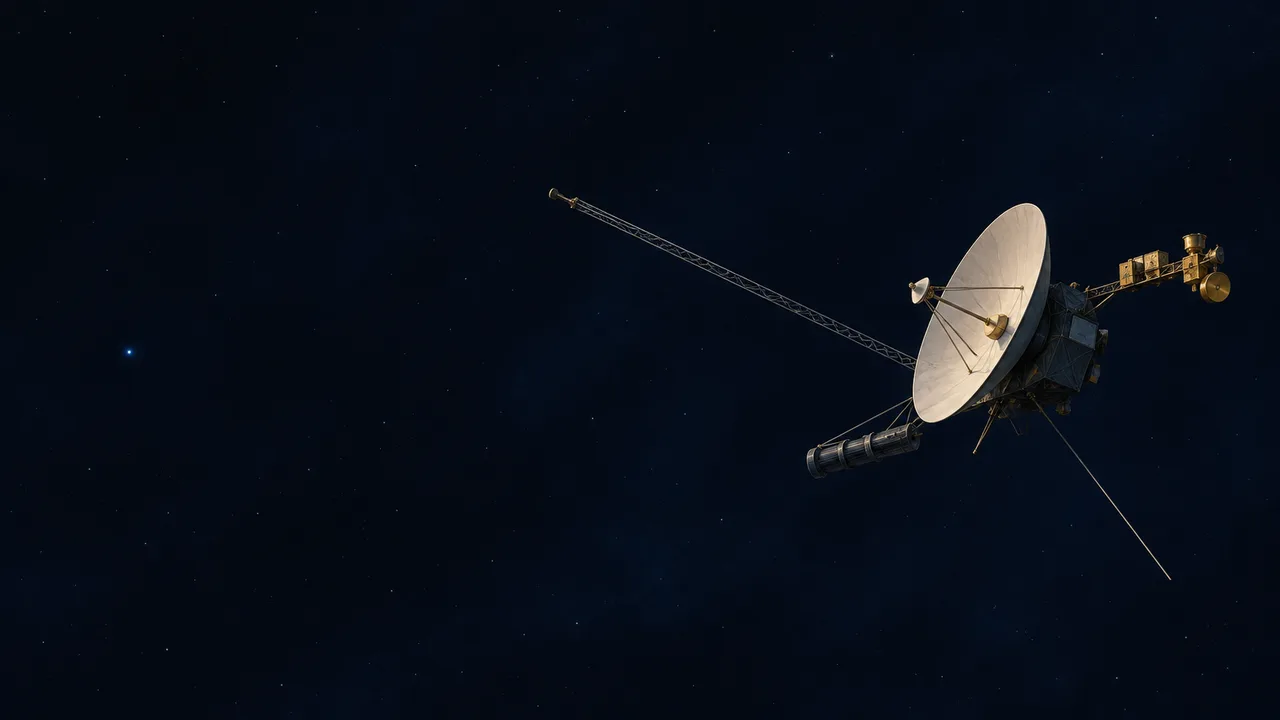
AI-generated illustration symbolizing Voyager 1 in deep space; not an actual photograph of the spacecraft.
NASA says Voyager 1 is expected to reach a distance of one light-day from Earth on Nov. 18, a milestone no other human-made object has reached. In an event advisory updated Nov. 13, the agency outlined a worldwide light-signal celebration on Nov. 17 and a discussion at its Jet Propulsion Laboratory in Southern California on Nov. 19.
A separate NASA Science page puts the crossing at about 5:16 a.m. EST on Nov. 18. One light-day is the distance light travels in 24 hours: about 25.9 billion kilometers, or 16.1 billion miles. At that distance, light or a radio transmission from Earth takes a full day to reach the spacecraft in one direction. The term describes distance, not the duration of Voyager’s flight.
Voyager 1 launched in 1977. The crossing will come more than 49 years after launch. As of Nov. 14, the crossing remains an upcoming event, not a completed achievement.
The Nov. 19 event is scheduled for noon EST, or 9 a.m. PST, in JPL’s von Kármán Auditorium, a venue used for briefings during the Voyager probes’ exploration of the outer planets.
The announced participants include NASA science mission directorate leader Nicky Fox, JPL chief scientist Jonathan Lunine, Voyager project manager Suzanne Dodd and project scientist Linda Spilker. The discussion will cover the status of Voyager 1 and 2, the science they continue to collect in interstellar space, and the difficulties of operating aging spacecraft across such vast distances. A question-and-answer session will follow, along with a preview of a NASA+ Voyager documentary planned for the mission’s 50th anniversary in 2027.
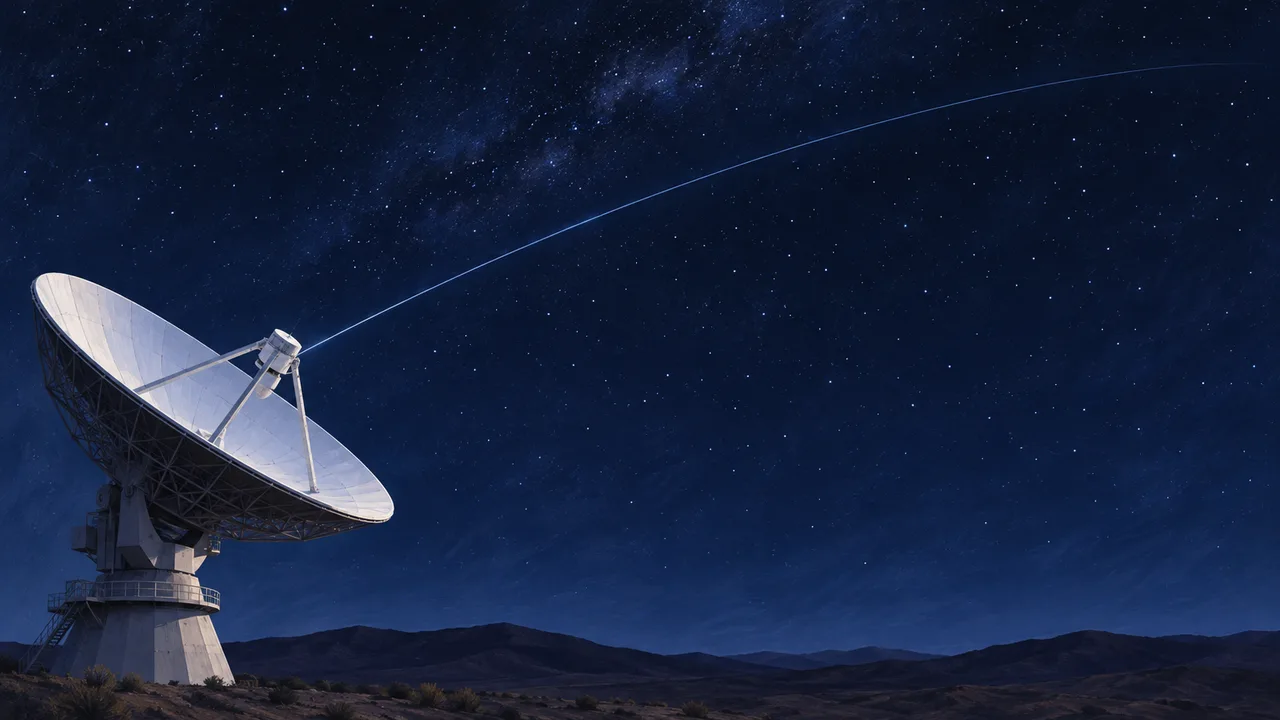
The preceding Nov. 17 celebration is scheduled after sunset, with light signals representing Voyager’s call sign, VGR. NASA described the symbolic event as a wave of golden light encircling Earth.
Voyager 1 entered interstellar space in 2012 after crossing beyond the heliosphere, the protective bubble created by the Sun. Voyager 2, which followed a different route through the outer planets, entered interstellar space in 2018. Both probes continue to observe conditions beyond the heliosphere, with communications provided by NASA’s Deep Space Network. NASA expects Voyager 2 to reach one light-day from Earth in November 2035.
브라우저 메뉴에서 앱 설치 또는 홈 화면에 추가를 선택해 주세요.