
If you felt shaking in southern Los Angeles County early Sunday, start with a calm safety check rather than relying on social media reports. The U.S. Geological Survey lists the event as a magnitude 3.2 earthquake about 4 kilometers south-southeast of Compton, California. It occurred at approximately 12:13 a.m. Pacific time on September 6, 2026, at a reported depth of about 12.8 kilometers. The USGS event page still labels the solution “automatic,” so the magnitude, location, depth and number of felt reports may change after seismologists review the data.
A relatively small magnitude does not mean every household should ignore the shaking. People close to the epicenter may have noticed a short jolt, moving windows or doors, or swaying hanging fixtures. A weak pipe connection or unsecured shelf can reveal a localized problem even when widespread damage is not expected. At the same time, feeling a sharp jolt does not prove that a building has structural damage. The steps below are organized for residents of Compton, Paramount, Lakewood, Signal Hill, Long Beach and nearby communities, with immediate hazards first.
Key takeaways
- Preliminary USGS data: Magnitude 3.2, about 4 km south-southeast of Compton, depth about 12.8 km, occurring around 12:13 a.m. Pacific time on September 6. The automatic solution may be revised.
- Tsunami field: The USGS event data shows a tsunami flag of 0. Coastal residents should still follow any separate evacuation order or warning issued by local authorities.
- Check first: Look for injuries, a gas odor or hissing sound, sparks or scorching, major water leaks, sagging ceilings, new large cracks and objects that could fall.
- If you smell gas: Do not flip electrical switches, light a match, operate a garage-door opener or use anything that can make a spark. Leave and call 911 or the gas utility from a safe location.
- If shaking starts again: Drop, Cover and Hold On. Do not run outside during the shaking and do not use an elevator.
- Verify officially: Use the USGS event page for the latest magnitude, location and review status, then check MyShake, Wireless Emergency Alerts and local emergency agencies for instructions.
What happened
The USGS event identifier is ci41542024. Its event page is titled “M 3.2 – 4 km SSE of Compton, CA,” with coordinates near 33.8585° north and 118.2045° west. The agency’s nearby-cities product lists Compton, Paramount, Lakewood, Signal Hill and Long Beach. Those place names provide geographic context; they do not mean that every neighborhood or building experienced the same intensity.
Early ShakeMap estimates can show light motion around the epicentral area, but individual experiences vary. Building height and construction, local soil, whether someone was in bed, and whether a person was in a moving vehicle all affect perception. One resident may feel a clear jolt while someone next door notices nothing. The number of “Did You Feel It?” submissions and the reported community intensity also change as new responses arrive. Instrumental data, not an informal poll, is the appropriate starting point.
The event feed shows a tsunami value of 0. That should be understood as no tsunami product attached to this earthquake in the USGS record, not as a permanent guarantee about every possible coastal hazard. If you are at a beach or harbor and experience strong, long shaking, or if authorities issue an evacuation alert, follow posted routes and official local instructions rather than a single line on an event page.
Magnitude describes the earthquake’s overall size. Intensity describes what people and objects experience at a specific location. A magnitude 3.2 number cannot certify every building as safe or damaged. A nearby room with unsecured items may show movement, while a well-secured building farther away may show no visible effect.
Who may be affected
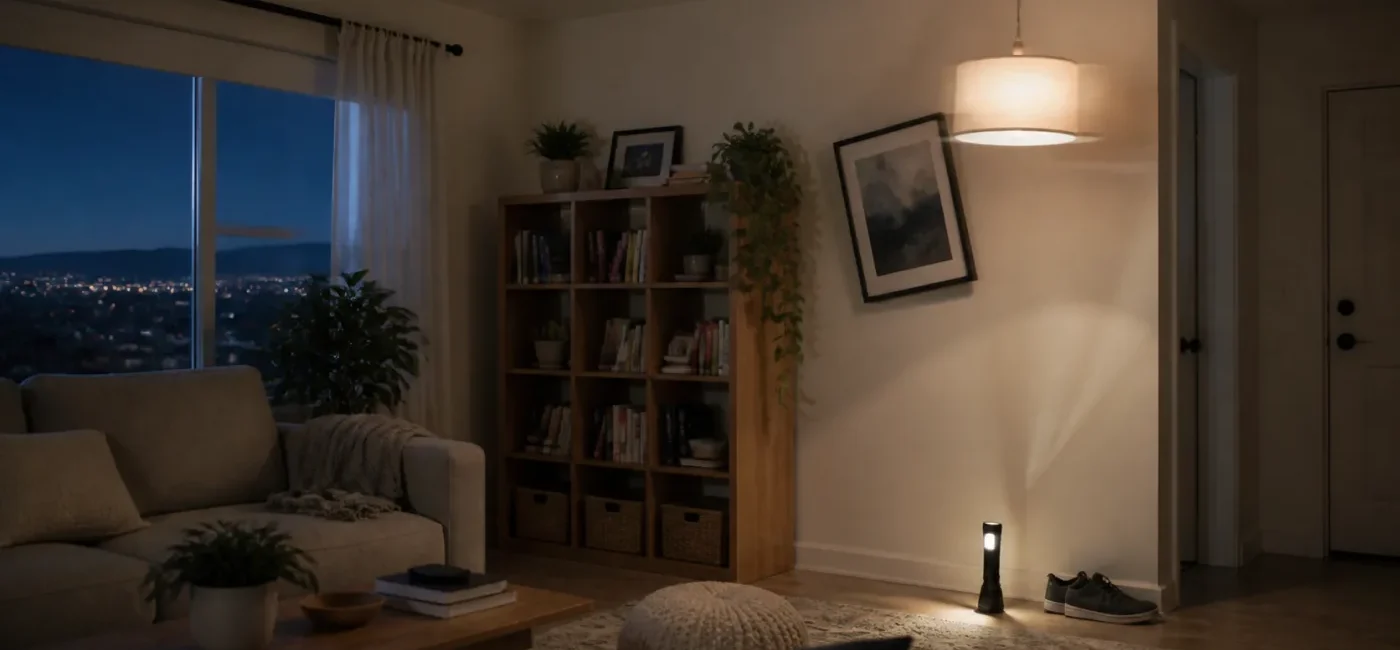
Residents near Compton and adjoining cities should look for small but meaningful changes. If the quake woke you, put on sturdy shoes before walking through a dark room. Use a flashlight to inspect glass, hanging fixtures, cabinet doors and the connections around a water heater. If nothing is broken and there is no gas odor, leak or electrical problem, do not shut off every utility merely out of anxiety.
Apartment and multifamily residents need to consider common areas as well as their own unit. Check building-management messages and pay attention to hallways, stairs, elevators and shared utility spaces. Do not use an elevator that has stopped or is making an unusual noise. If a stairwell has falling debris or a major new crack, find another safe route and wait for management or emergency personnel to direct occupants.
People in older homes, unreinforced masonry buildings, mobile homes or active construction sites should be particularly alert to visible change. A door that suddenly will not close, separation between a wall and foundation, fallen chimney brick, or an obviously sloping floor deserves professional attention. Move to a safe outdoor location if the structure appears unstable, but do not diagnose collapse risk from one hairline cosmetic crack.
Households with infants, older adults, people with disabilities or powered medical equipment should check both mobility and power needs. Clear falling objects from around the bed, inspect oxygen tubing, and confirm the location of hearing aids, glasses and medication. Keep backup contacts available. Do not disconnect functioning medical equipment unnecessarily; follow the manufacturer’s emergency instructions and the person’s care plan.
Drivers and transit riders may not have noticed the motion. Even when streets look normal, a signal outage, downed wire, water leak or inspection closure can affect a route. Follow the relevant transportation agency and do not cross barricades or drive toward the epicenter simply to look around.
What to do now
1. Check people and leave immediate hazards
Check yourself and others for injuries first. Apply direct pressure with a clean cloth to significant bleeding. Call 911 for trouble breathing, loss of consciousness, severe chest pain, uncontrolled bleeding, or a suspected serious head, neck or spine injury. When emergency help is not needed, keep voice calls short and use text messages to tell family members where you are and whether everyone is safe.
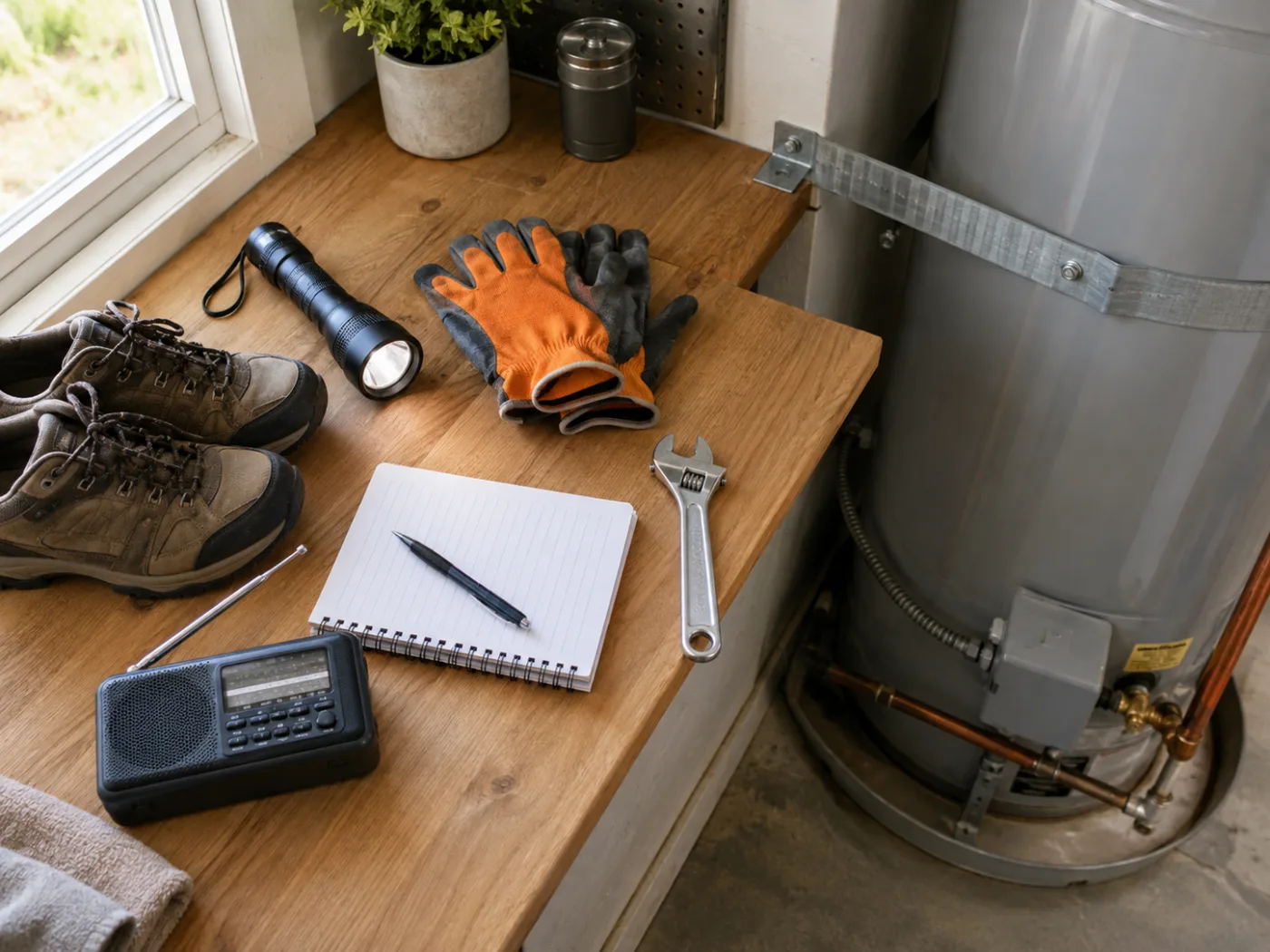
Move children and pets away from broken glass, unstable shelves and hanging items. Wear shoes and gloves and carry a flashlight. Avoid candles and open flames until you know there is no gas leak.
2. Screen for gas, electrical and water hazards
A natural-gas odor, hissing near a pipe, visible meter damage or another clear sign of a leak means you should leave the building. Do not touch switches, plugs or a phone inside. From a safe distance, call 911 and the local gas utility. Shut the gas valve only when a leak is suspected or authorities direct you to do so, and do not turn it back on yourself after it has been closed.
Stay away from sparks, scorching, hot outlets, exposed wiring and electrical equipment in standing water. If you cannot safely reach a breaker and do not understand the hazard, leave the job to the utility or a licensed electrician. Locate a water leak only if you can do so without entering a wet area near electrical equipment.
3. Document new building damage without guessing
Take one wide photo of the room and one close photo of each affected area. Note when and where you first saw the condition. If you know that a crack existed before the earthquake, say so. When reporting a problem to an insurer or property owner, describe what you observed rather than claiming a cause that has not been confirmed.
Leave an affected room if you see wall-to-foundation separation, a wide new diagonal crack, a sagging ceiling, a leaning wall, fallen chimney masonry, major door-frame distortion or floor settlement. Contact the city or county building-safety office, the property owner, or a qualified structural professional. Never enter a posted building or cross a safety barrier to retrieve belongings.
4. Choose a safe location in case shaking returns
Aftershocks are common after larger earthquakes, but no one can provide an exact time and magnitude for the next local quake. The USGS does not send private forecasts saying a larger earthquake is guaranteed at a particular hour. Do not share posts that claim a precise prediction, show an unexplained circle on a map, or cite unnamed “inside information.”
Before returning to sleep, remove heavy items above the bed and place shoes and a flashlight within reach. Identify a sturdy table or another nearby place where household members can protect their head and neck. Stay away from windows, mirrors, tall bookcases and upper kitchen cabinets during shaking.
5. Use Drop, Cover and Hold On
Indoors, drop to your hands and knees before the shaking knocks you down. Cover your head and neck under a sturdy table or desk and hold on to a leg of the furniture. If no shelter is nearby, move next to an interior wall away from windows, remain low and protect your head and neck. A doorway is not automatically the strongest place in a modern home. Running outside exposes you to glass, facade material and other falling objects.
If you are in bed, remain there unless a heavy object can fall on you, and use a pillow to protect your head and neck. Wheelchair users should lock the wheels, remain seated and cover the head and neck. Outdoors, move to an open area away from buildings, power lines, streetlights and trees, then stay low until the shaking stops.
While driving, slow smoothly and stop away from bridges, overpasses, tunnels, power lines and buildings. Set the parking brake and remain in the vehicle. Afterward, watch for damaged pavement and dark traffic signals, and keep emergency routes clear.
6. Organize communication and essential supplies
Send a short family message with your location, injuries and building status. Choose one out-of-area contact who can collect updates if local family members cannot reach one another. Put phones in low-power mode, recharge battery packs and keep emergency and location-based alerts enabled.
Gather water, shelf-stable food, prescriptions, glasses, pet supplies, a radio, flashlight, spare batteries, cash and copies of identification. You do not need to buy everything at once before sunrise. Start with a 24-hour kit using supplies already at home, then build toward several days. Smartor’s broader earthquake readiness checklist covers furniture anchoring, insurance records and a family communication plan in more detail.
How to verify official information
Read the USGS event page carefully
Confirm that the event ID is ci41542024. An “automatic” status means the initial solution was generated by automated processing; “reviewed” means a seismologist has reviewed it. Check the Updated time. A later update can change the magnitude, depth or epicenter, and a difference from an early screenshot is not necessarily an error. The “Did You Feel It?” survey accepts direct observations, but avoid adding unnecessary personal details.
ShakeMap combines observations and models to estimate regional shaking. A map color cannot determine whether one house is structurally safe. That decision requires the actual damage, the type of construction and, when needed, an on-site inspection. Likewise, the absence of a broad loss alert does not rule out a pipe leak or unsecured object in an individual home.
Check phone alerts and local agencies
Earthquake Warning California can distribute USGS ShakeAlert information through the MyShake app, Android earthquake alerts and Wireless Emergency Alerts. Not every earthquake generates an alert for every user. The system considers expected shaking at the device’s location, alert thresholds, detection time and network delivery. Close to an epicenter, shaking may arrive before or almost simultaneously with a notification.
Review MyShake notification and location permissions, Android earthquake settings, and government-alert settings on an iPhone. Confirm that emergency alerts can sound under your chosen focus or do-not-disturb settings. Also register for Alert LA County and the alert service offered by your city, utility or transit provider. Do not give payment information or sensitive identity data to an unverified “disaster alert” app.
Checks to complete today
In daylight, confirm that the water heater is properly strapped, heavy bookcases are anchored to wall studs, and cabinet latches work. If your household keeps a gas shutoff wrench, make sure adults know the valve location and the utility’s instructions, but do not shut off the gas merely for practice. Renters should report needed structural or utility work in writing instead of altering building systems themselves.
Move heavy mirrors and decorations away from beds, couches and children’s play spaces. Secure televisions and monitors and place fragile objects on lower shelves. Walk the route to an exit and remove shoes, bicycles or boxes that block it. Keep a pair of sturdy shoes near each bed.
Review whether earthquake damage is excluded from a standard homeowners or renters policy and whether separate coverage applies. Use the policy and a direct answer from the insurer, not an assumption. Be cautious if an unsolicited contractor offers urgent repairs after a widely discussed quake. Verify a license, insurance, physical address, written scope, cancellation terms and payment schedule before signing.
Frequently asked questions
Does a magnitude 3.2 mean I must leave my home?
Do not decide from magnitude alone. Leave for a gas odor, fire, major leak, sagging ceiling, leaning wall, serious new crack or an official evacuation order. If none of those conditions exists and the building appears normal, complete a safety check and monitor official information. Driving away at night without a destination can add road risk and congestion.
Was this a foreshock to a larger earthquake?
There is no immediate way to know whether one small earthquake will be followed by a larger one. Scientists can call the first event a foreshock only after a larger quake occurs nearby. Treat precise date-and-time predictions as misinformation and maintain practical readiness for additional shaking.
Why did I not receive an earthquake alert?
Alerts depend on expected shaking at your location, system thresholds, detection speed, transmission time and device settings—not magnitude alone. A weak event may not meet the alert threshold, and people near the epicenter may feel motion before a warning arrives. Check settings, but do not expect advance notice for every small earthquake.
Should I shut off the gas just in case?
Not when there is no sign of a leak and no official direction to do so. An unnecessary shutoff creates a restart process that may require a qualified professional. If you smell or hear a possible leak, leave first and report it from a safe place instead of spending time at the valve.
Where should I report a building crack?
Renters should notify the property owner or manager in writing with photos and the discovery time. For major deformation or an immediate safety concern, contact the building-safety department for the city or the applicable Los Angeles County office. The correct jurisdiction depends on the street address. Call 911 for an active collapse, fire or gas emergency.
Can I submit a USGS felt report?
Yes. The “Did You Feel It?” survey helps scientists map how shaking was experienced. Report only what you directly observed at your location, such as object movement or whether you were awakened. Do not add private household information that is not needed for the survey.
Official sources
- U.S. Geological Survey — M 3.2, 4 km SSE of Compton, California (ci41542024)
- Ready.gov — Earthquakes: during and after an earthquake
- California Governor’s Office of Emergency Services — Earthquake Warning California preparedness
Event figures in this article are based on preliminary USGS data and may be revised. For an immediate life-safety, fire or gas emergency, call 911 and follow on-scene instructions.